

Beneath the familiar imagery of Santa Claus and Christmas trees, the holiday season rests on something deeper—universal emotions and intentions that transcend borders, religions, and commercial iconography. The desire to release what no longer serves us. The impulse to celebrate abundance and connection. The hope that stepping across the threshold into a new year might bring renewal. Around the world, cultures celebrate this moment of change in wildly different ways—burning, smashing, gathering—each one a ritual designed not just to mark time, but to transform it.
Burning the Old
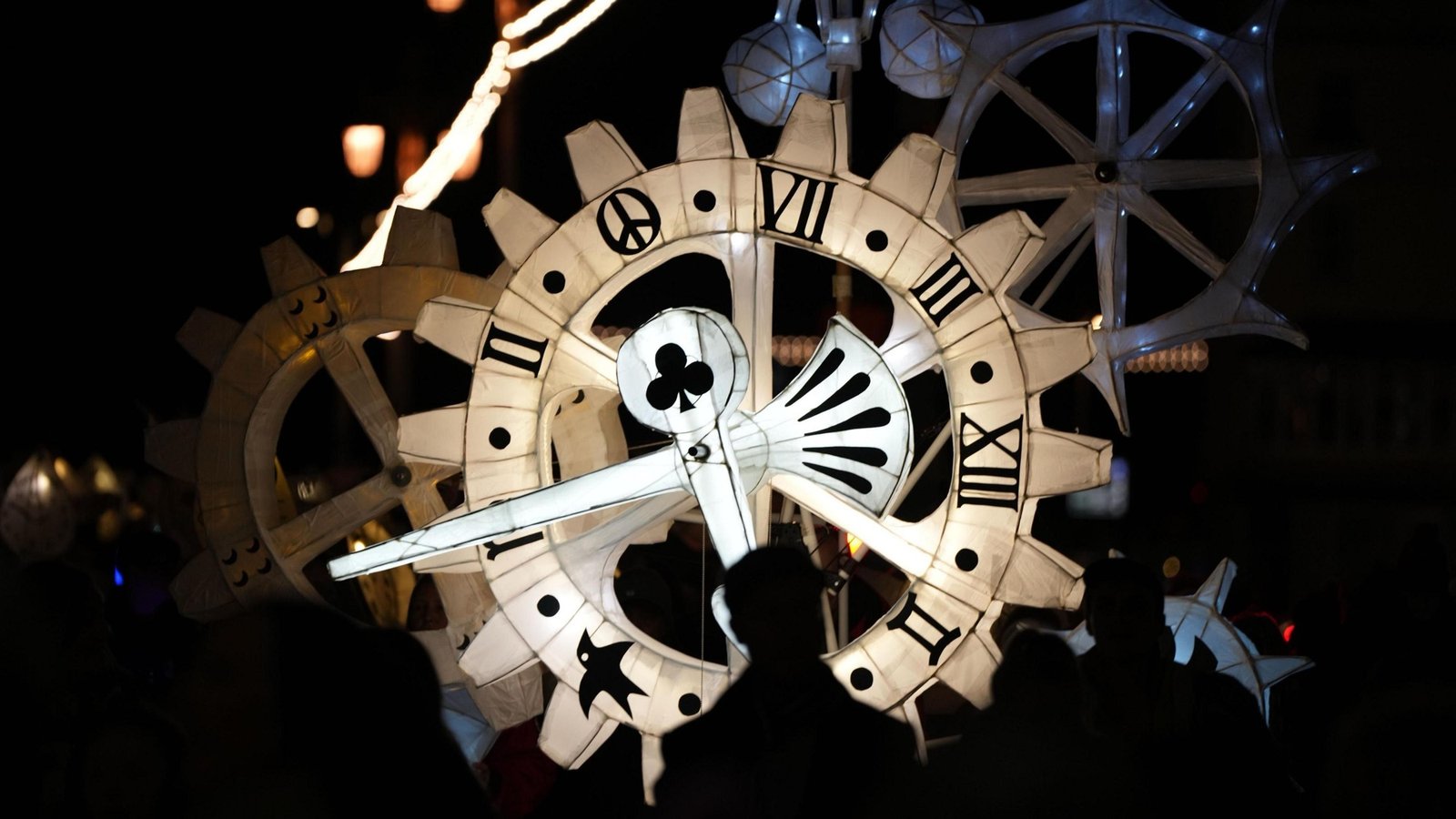
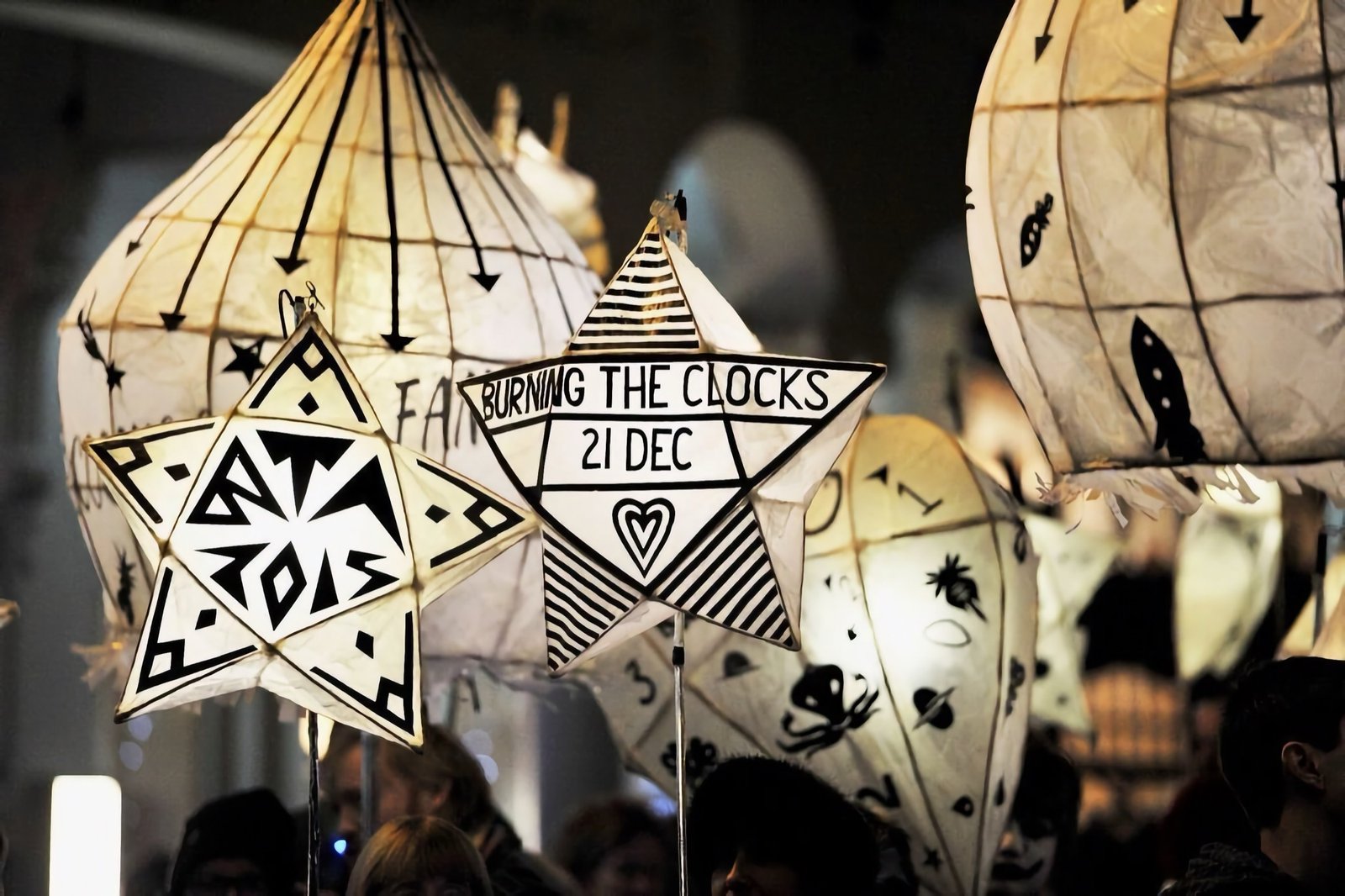
In Brighton, England, the annual Burning the Clocks festival lights up the streets. Local residents carry elaborate paper lanterns of all sizes through town before tossing their creations into a bonfire on the beach—a communal release of the year’s burdens through light and flame. Ecuador takes this ritual further. On December 31st, families build scarecrow-like effigies—politicians, pop stars, figures from the year gone by—stuff them with newspaper and sawdust, and set them ablaze at midnight. The effigies, called años viejos (old years), symbolize everything worth leaving behind: disappointments, frustrations, failures. Watching them burn is cathartic, theatrical, and intentional. The act doesn’t erase the past, but it refuses to carry its weight forward. These traditions understand something fundamental: sometimes moving forward requires watching the old turn to ash.
Celebrating Abundance
Across Ireland, Cuba, and the Philippines, midnight on New Year’s Eve explodes with noise—pots clanging, drums pounding, anything that makes a racket to scare away negativity and welcome the new. The Irish take it further, banging loaves of Christmas bread against walls and doors to chase away bad spirits. But Denmark’s tradition might be the most joyful: plate-smashing. Throughout the year, Danes save unused dishes, and on December 31st, they hurl them against the doors of friends and family. The larger the pile of broken china at your doorstep, the more loved and lucky you are. It’s destruction as celebration, chaos as connection. The act isn’t about anger or violence—it’s about abundance. You have so many friends, so much goodwill, that shattered plates become proof of community. The noise, the mess, the exuberance—all of it says: we lived fully this year, and we celebrate that together.
Crossing Into Connection
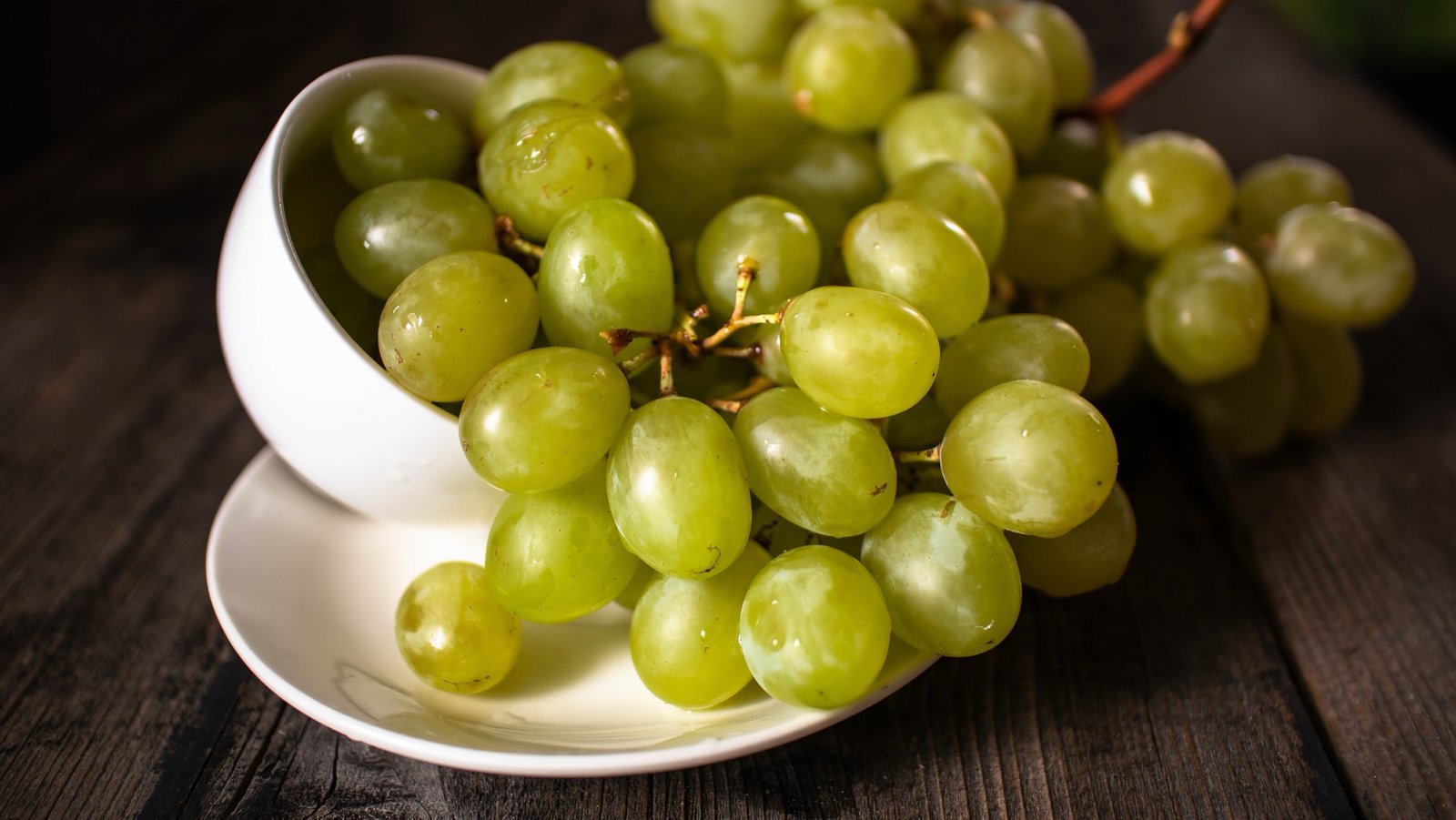
Food carries meaning across cultures, and nowhere is this clearer than in year-end traditions. In Spain and Latin America, celebrants eat twelve grapes at midnight—one for each chime of the clock, each grape a wish for the months ahead. It’s quick, hopeful, and just challenging enough to keep you focused as the year turns. In Japan, Ōmisoka (December 31st) centers on toshikoshi soba—long buckwheat noodles symbolizing the crossing from one year to the next. Families gather to eat them together, the length of the noodles representing longevity and resilience. At midnight, Buddhist temples strike their bells 108 times, each ring purifying one of the 108 earthly desires believed to cause human suffering. The tradition isn’t about loud celebration—it’s about reflection, cleansing, and intentional transition. The noodles connect you to family. The bells connect you to something larger. And together, they mark the passage not with noise, but with quiet purpose.
Moving Forward
These traditions—burning, smashing, gathering—aren’t about spectacle for its own sake. They’re about acknowledging what was, celebrating what remains, and stepping consciously into what’s next. Whether you light a fire, break a plate, or share a bowl of noodles, the intention is the same: to honor the past without clinging to it, to embrace community, and to step forward with hope. No matter how or what you celebrate, may the new year bring wellness, connection, and the courage to welcome what’s ahead.




 No products in the cart.