

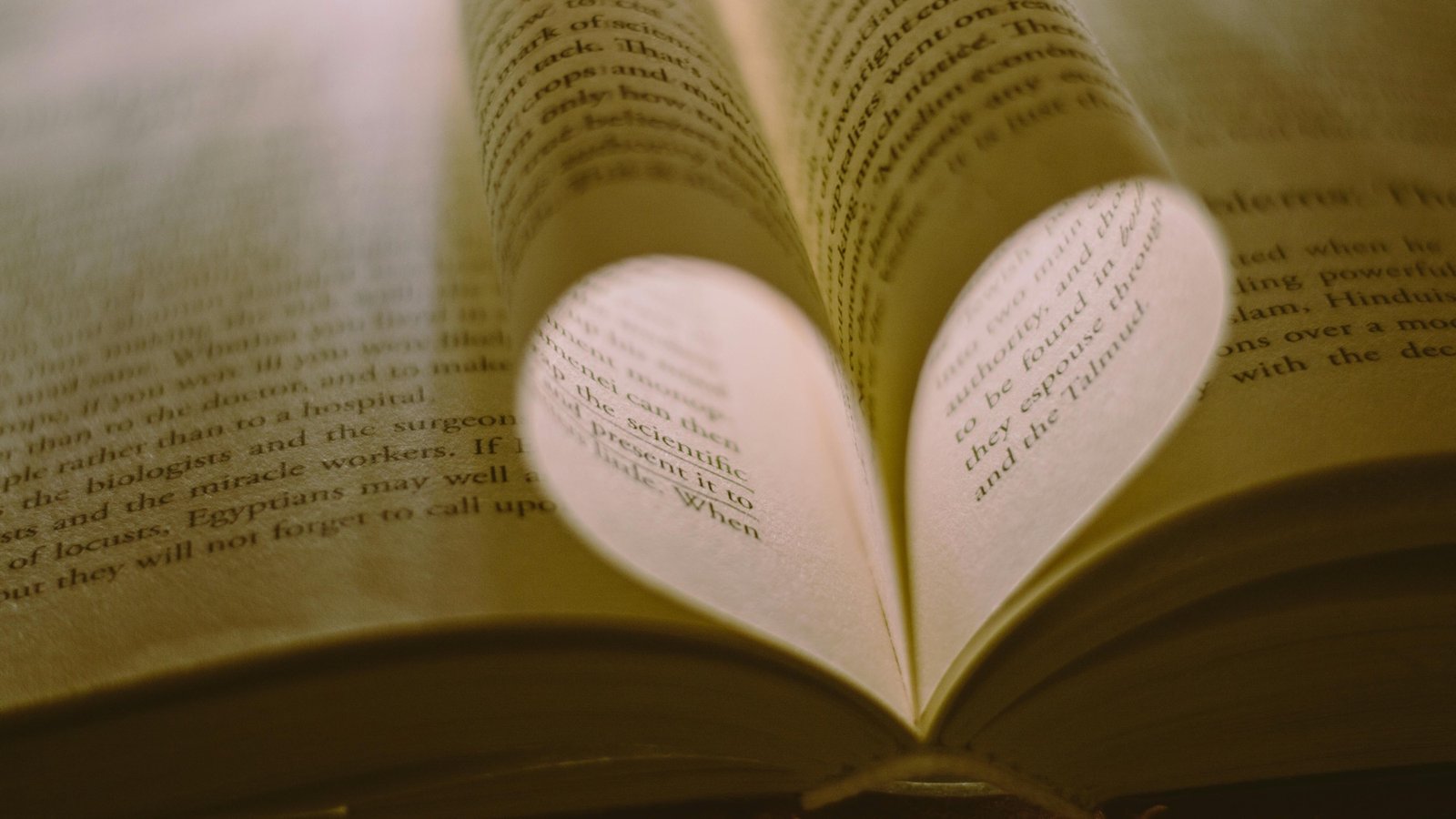
Step in from winter’s bite into softly lit warmth—the hush of pages turning, the scent of paper and possibility, the particular quality of light that only bookstores seem to hold. These aren’t nostalgic relics clinging to analog romanticism. They’re cultural sanctuaries reborn, designed destinations where architecture, community, and storytelling converge into something tactile and necessary. From Chicago to New York to San Francisco, independent bookstores are thriving again, not despite our digital age but because of it—offering what technology cannot: the pleasure of physical presence, curated discovery, and spaces built for lingering.
The resurgence stems from collective screen fatigue and a hunger for depth—for browsing that leads to thinking rather than scrolling. Online algorithms optimize for efficiency; bookstores optimize for serendipity. These aren’t merely retail spaces—they’re experiential environments where design matters as much as inventory. Light, scent, sound, spatial flow: every element shapes how discovery feels. The backlash against online behemoths has fueled a return to local businesses, to places where staff remember your name and what you read last month. Independent bookstores have become the cultural equivalent of concept stores—intimate, slow, sensory. They’ve survived by understanding they’re selling more than books; they’re selling belonging.
Philadelphia
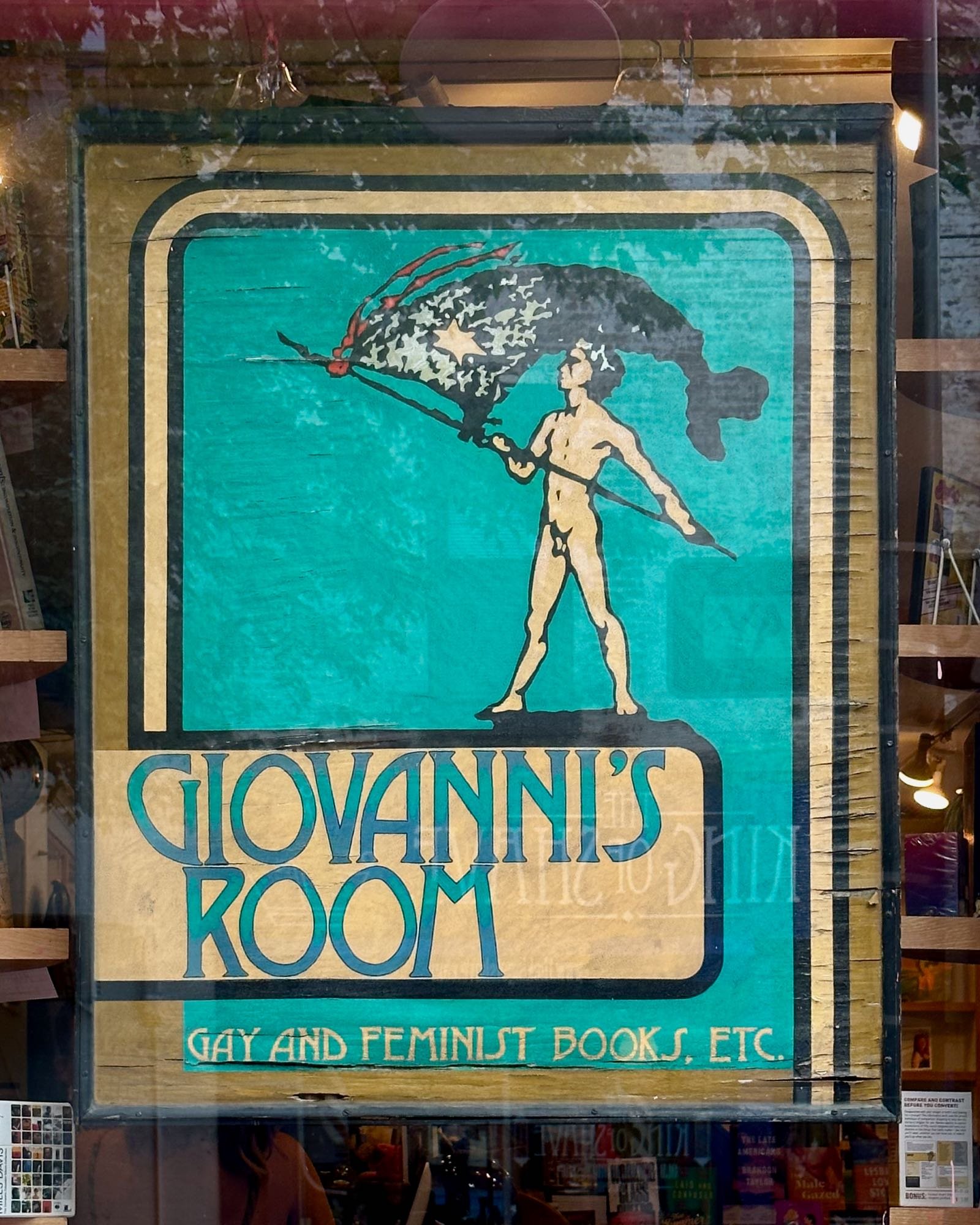
Chicago’s Women & Children First has anchored Andersonville since 1979, one of the nation’s largest feminist bookstores and a vital gathering place for the LGBTQ+ community. Founded when co-owners Linda Bubon and Ann Christophersen couldn’t find books by women writers in their graduate English programs, the store now stocks over 30,000 titles curated with an inclusive, queer-minded lens. It’s more than a bookshop—it’s infrastructure. During the AIDS crisis, it became an information lifeline when mainstream sources failed. Today, it hosts writing workshops, support groups, and community events in dedicated space added during a 2015 renovation. Philadelphia’s Giovanni’s Room, founded in 1973 and named for James Baldwin’s groundbreaking novel, holds the distinction of being America’s oldest continuously operating LGBTQ+ bookstore. After financial struggles nearly closed it in 2014, Philly AIDS Thrift partnered to save it, transforming the space into a hybrid bookstore-thrift shop that now thrives. Both stores understand what algorithms never will: some communities need physical spaces where simply walking through the door feels like permission to fully exist.
A neighborhood without an independent bookstore is a body without a heart.
Emma staub
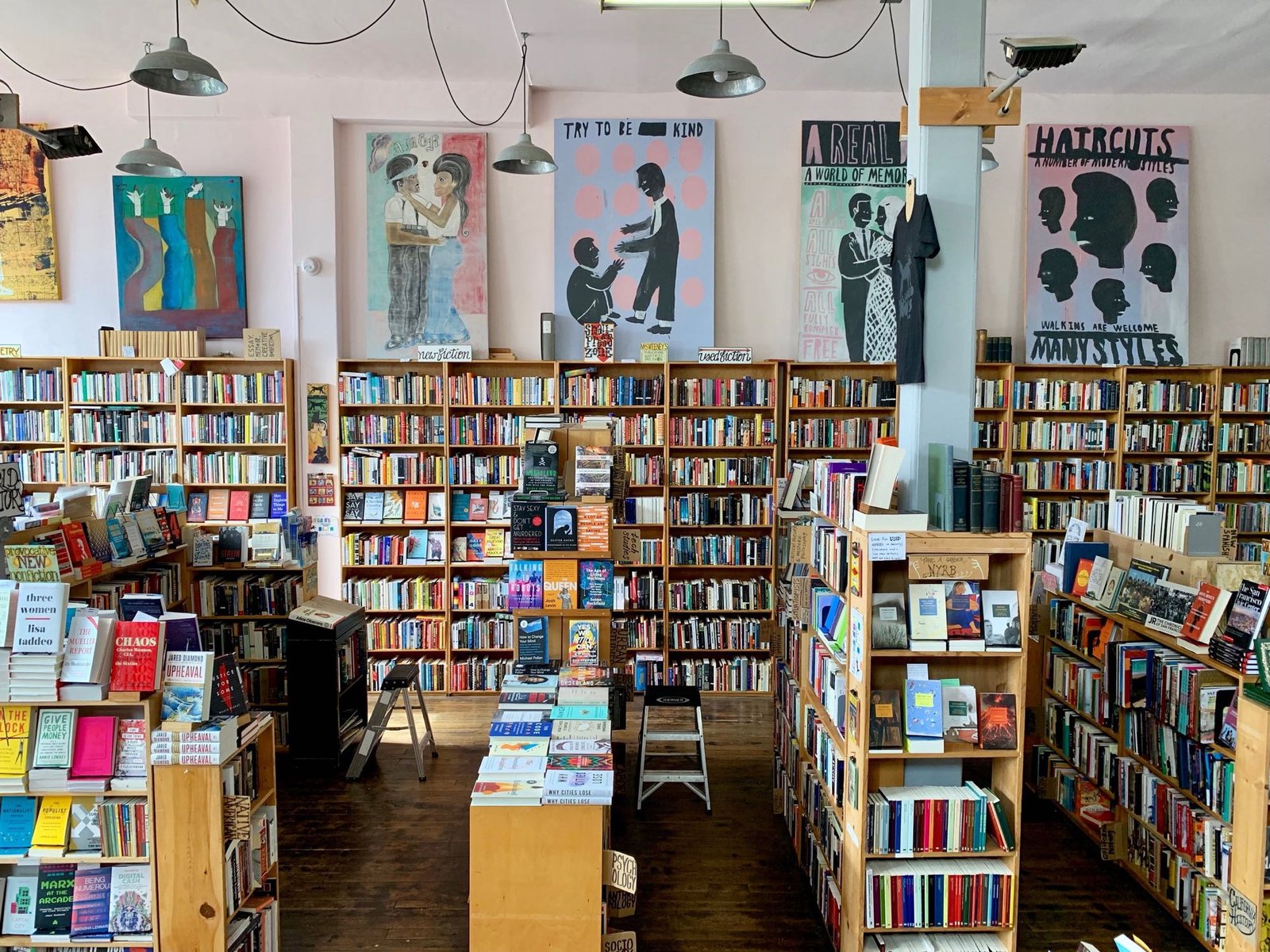
Contemporary bookstores approach this mission with intention. New York’s Books Are Magic, opened in 2017 by author Emma Straub and designer Michael Fusco-Straub, occupies a sun-flooded corner in Cobble Hill behind an iconic pink mural. Inside, bright beams and airy shelves create warmth without intimidation—a place built to be lived in, not tiptoed through. The couple founded it when their neighborhood’s bookstore closed, understanding what Straub articulated simply: “A neighborhood without an independent bookstore is a body without a heart.” San Francisco carries this tradition forward in spaces like Fabulosa Books, the Castro District’s queer-owned general-interest shop with an expansive LGBTQ+ section and vibrant event series, and Dog Eared Books, whose turquoise facade and jam-packed shelves of off-beat, small-press literature embody the city’s enduring spirit—the place where freaks, free-thinkers, and those seeking themselves have always gathered. As my late Uncle Jack used to say: “A reader is a leader.” These bookstores understand that leadership begins with creating space for voices that need amplification.
San Francisco
This renaissance isn’t about commerce—it’s about reclaiming the pleasure of shared presence. Outside, late winter light glistens on city streets. Inside, someone discovers their own untold story, turning pages among strangers who feel less strange with every visit. These spaces endure because they answer needs that transcend nostalgia: the human desire to gather, to belong without performing, to be united by what we didn’t know we were seeking. In an age of infinite digital choice, bookstores offer something increasingly rare—the gift of human discovery in a room built for slowness.
https://womenandchildrenfirst.com
https://queerbooks.com
https://booksaremagic.net
https://www.fabulosabooks.com
https://www.dogearedbooks.com




 No products in the cart.