

Photography has always been about one thing: being there. The earliest “portable” cameras—the folding bellows cameras of the late 19th century—were revolutionary precisely because they could travel. Then came the 35mm film camera, the compact, the point-and-shoot. Each generation asked the same question: how close can we get the camera to the moment? When the iPhone arrived in 2007, it answered definitively. No moving parts. No lens cap. No lag between impulse and image. Steve Jobs didn’t need to claim it was the best camera ever made—only that it was the one already in your hand. That was enough to change everything.
Leica, of course, had been asking the same question since 1914—just with considerably more elegance. Founded by Ernst Leitz in Wetzlar, Germany, the brand became synonymous with the kind of photography that matters: Cartier-Bresson on the streets of Paris, Robert Capa at the front lines, the decisive moment captured with a tool that felt like an extension of the eye itself. The Leica was never the loudest camera in the room. It was the quietest—precise, spare, unmistakable. That iconic Red Dot became shorthand for a particular kind of seriousness about image-making.
Meanwhile, the smartphone quietly kept climbing. Today’s flagship Android devices—and Apple’s iPhone 17 Pro, with its 48MP main camera, 5x optical zoom, and computational photography that borders on uncanny—have pushed so far into professional territory that the conversation has genuinely shifted. The question is no longer whether a phone can compete with a “real” camera. It’s whether real cameras can keep up with phones. For years, rivals chased Apple’s specifications with bigger numbers and bolder claims—megapixels, zoom ratios, sensor sizes—while the actual experience of using those devices, the build, the software, the cohesion, lagged visibly behind.
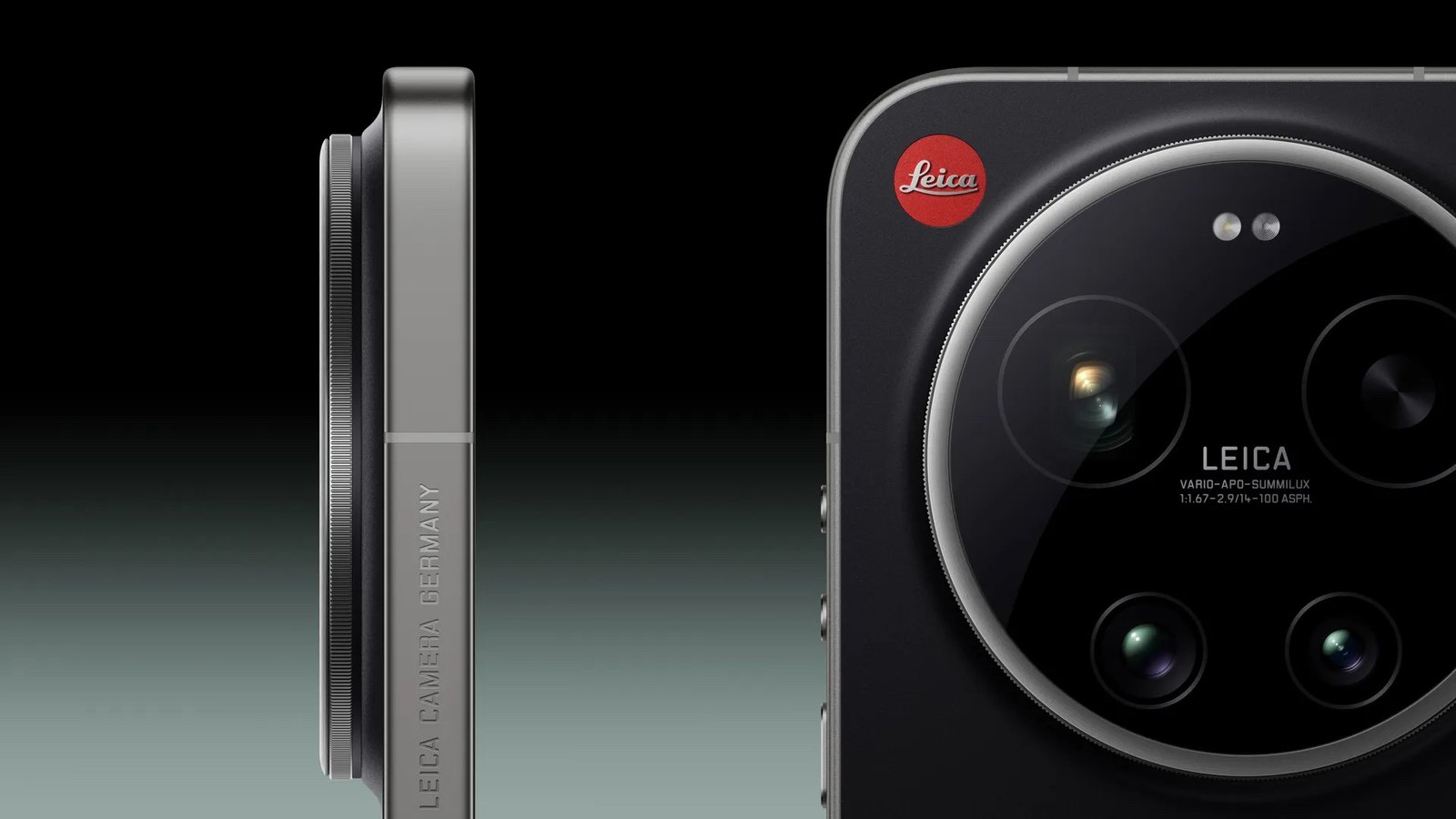
That is precisely what makes the Leica Leitzphone powered by Xiaomi—unveiled at MWC 2026—a genuinely different proposition. The hardware is formidable: a 50MP 1-inch main sensor with LOFIC technology for expanded dynamic range, a 200MP periscope telephoto with mechanical zoom spanning 75–100mm, and a 50MP 14mm ultra-wide, all running on Qualcomm’s Snapdragon 8 Elite Gen 5 with 16GB of RAM and 1TB of storage. A 6,000mAh battery, 8K video, and a 6.9-inch OLED display reaching 3,500 nits complete the picture. The iPhone 17 Pro competes credibly across nearly every line of those specs—presenting an evolved camera plateau that has slowly redefined what we expect from a phone.
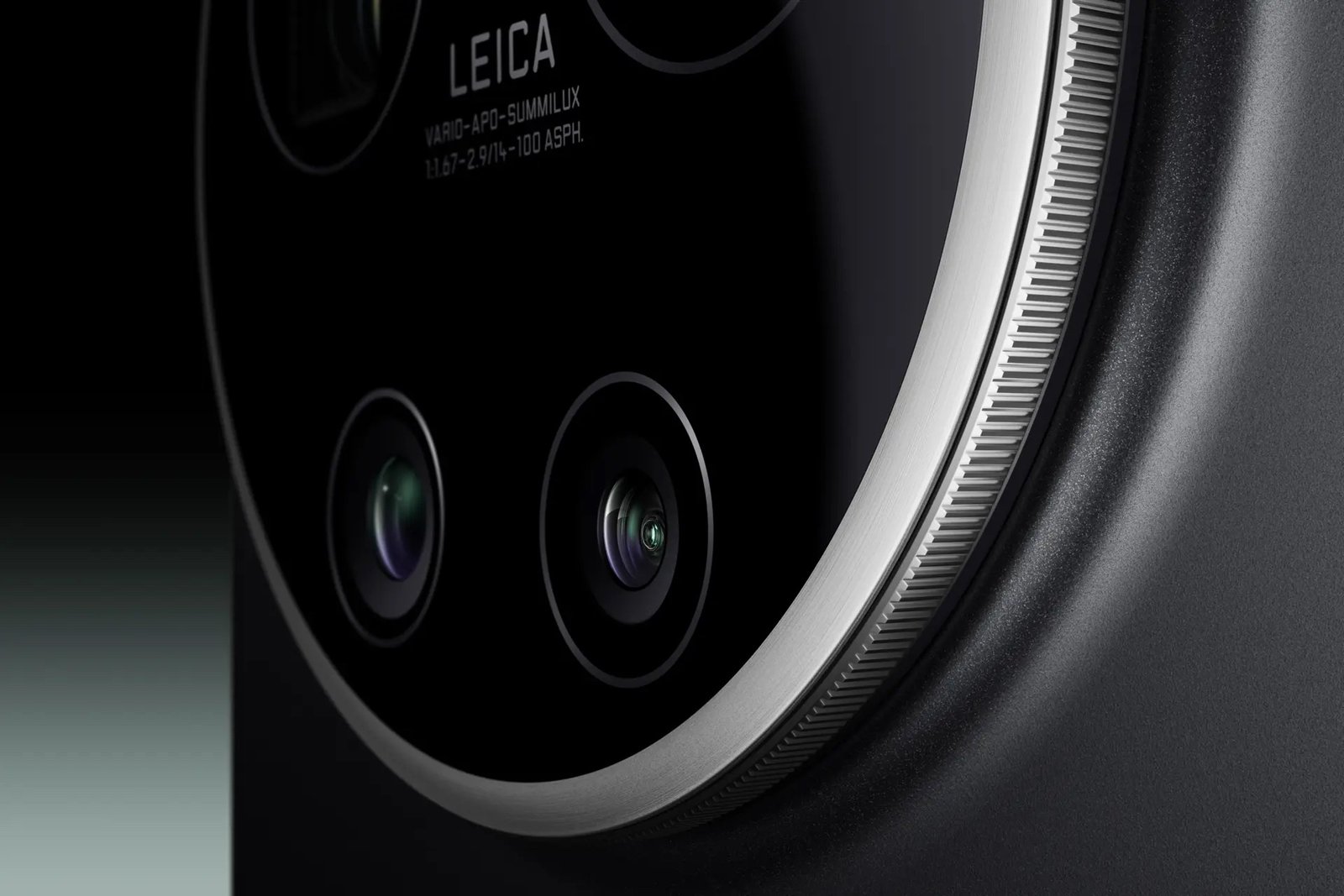
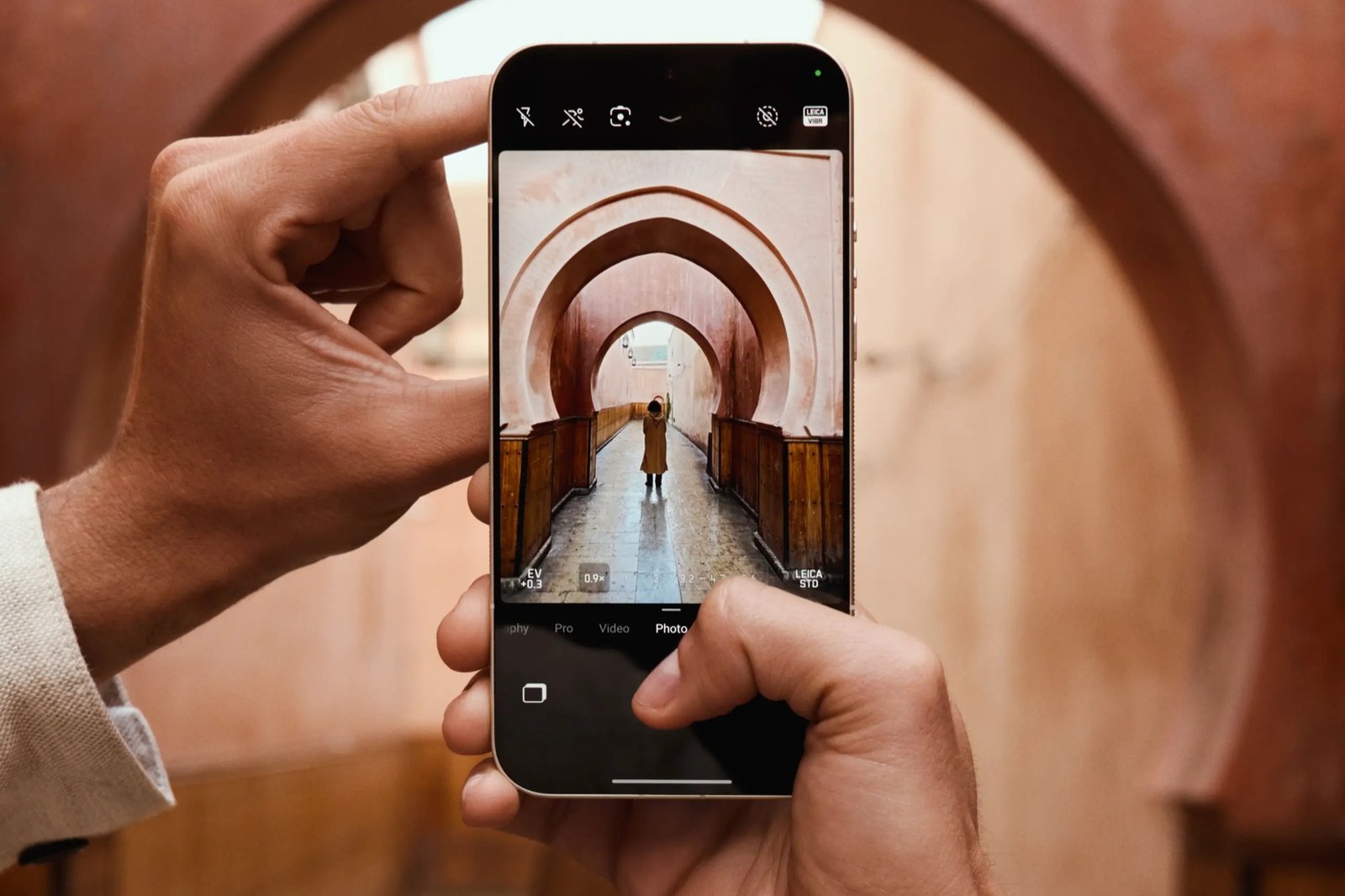
But the Leitzphone does something the spec sheet alone cannot capture. Where other manufacturers have treated the camera module as an engineering necessity—a bump to be tolerated—Leica turns it into a focal point of both design and engagement. The mechanical ring surrounding the multi-camera system is rotatable and assignable to zoom, ISO, shutter speed, or exposure compensation, reuniting the photographer with the tactile, intuitive physicality that made shooting with a Leica feel like a dialogue between hand and eye. The exterior follows Leica’s philosophy of “reduction to the essential”: black fiberglass rear panel, knurled metal frame, the Red Dot—quiet, centered, unmistakable. Inside: thirteen Leica Looks, five bokeh simulations drawn from classic Leica lenses, and an Essential Mode that strips the interface to nothing but the frame and the shot.
There is an elegant symmetry in all of this. Leica made its name in artful street photography—an art form defined by immediacy, by the camera you actually had with you. The smartphone made that ethos available to everyone. Now, as the two converge, Leica has returned to that arena not as a nostalgist but as a participant. The Leitzphone is proof that capability, design, and luxury need not be separate pursuits—and that as technology advances, those things find their way into more hands. Which, from the very beginning, was always the dream.
Photos | Leica




 No products in the cart.