

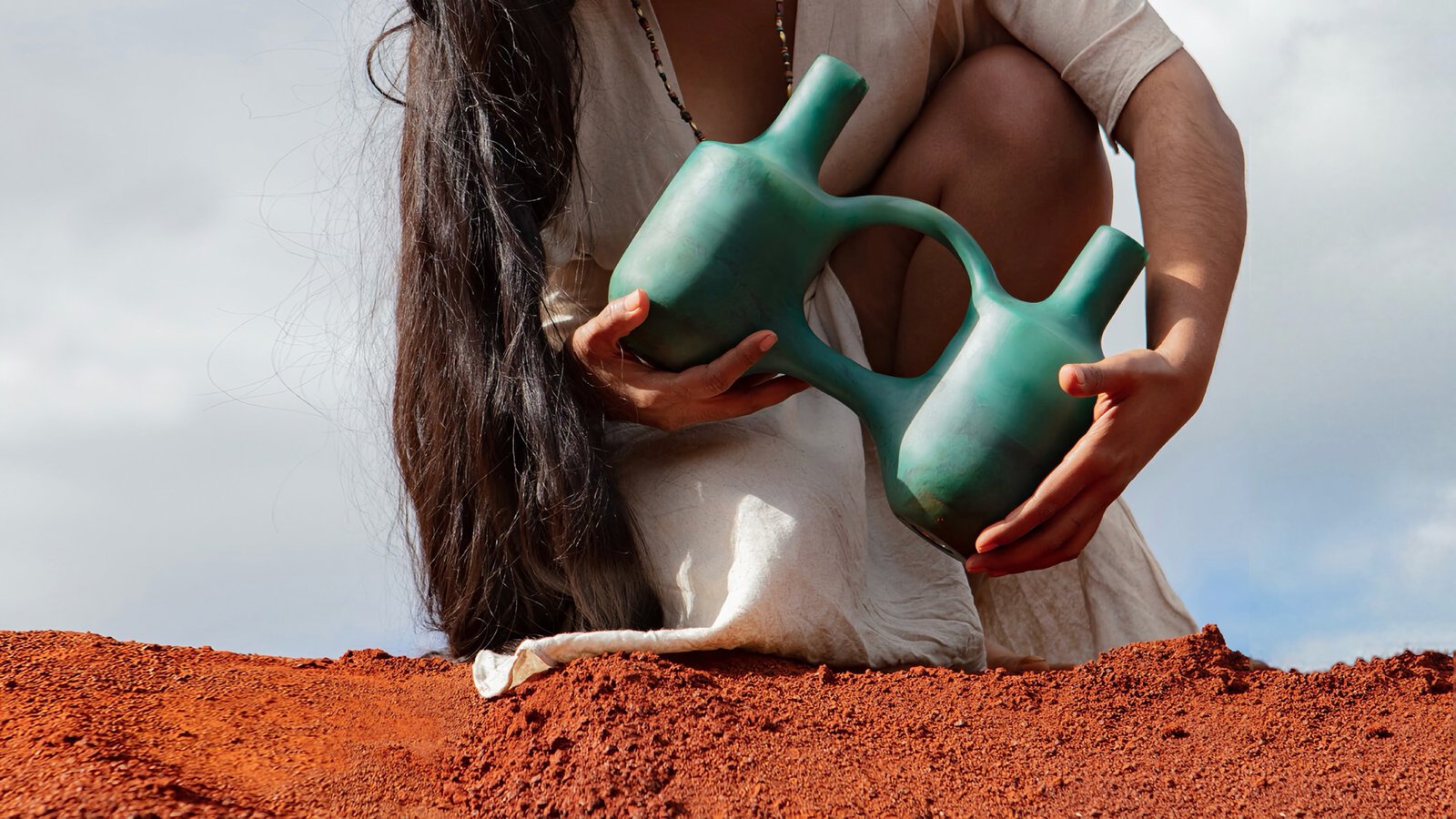
Peru’s pottery traditions stretch back millennia, creating a material record of cultures that understood clay as both utility and ceremony. The Vicús culture, which flourished in northern Peru’s Piura region from around 200 BCE to 600 CE, left behind some of the most distinctive ceramic forms in pre-Columbian history: whistling vessels that produced sound when liquid was poured, double-spout bridges that defied practical function for sculptural beauty, and forms that captured animals, deities, and the human experience with striking sophistication.
Decades before Jonathan Adler discovered Peru’s rich ceramic legacy and brought it to international design audiences, I lived in Lima and the Amazon and sought out pottery in local markets—intrigued even then by modern variations emerging alongside traditional work. The Shipibo people’s intricately painted vessels, created in native communities with patterns passed through generations, demonstrated how living traditions could evolve while maintaining cultural integrity. This tension between preservation and innovation defines the most successful contemporary interpretations of ancient craft.
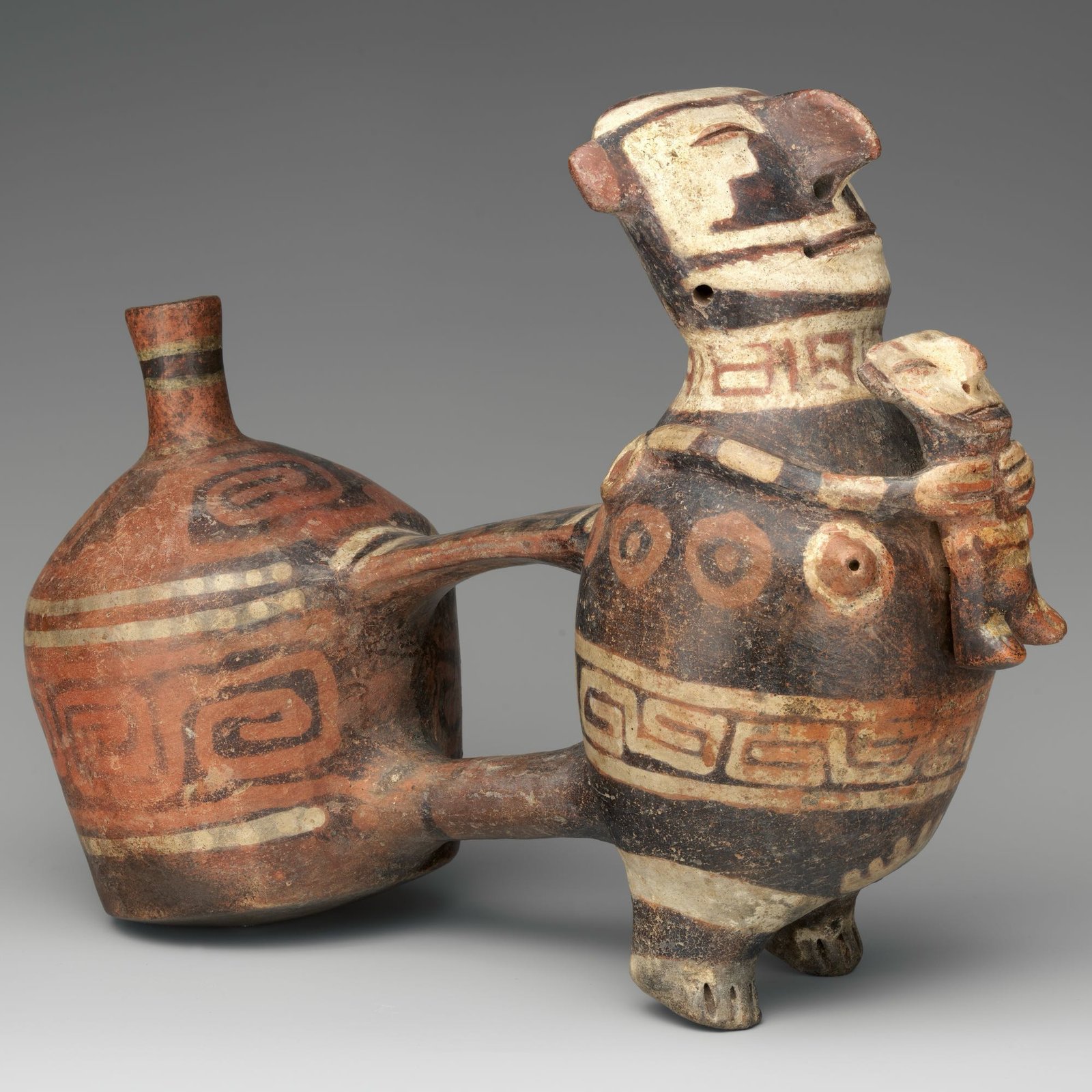
Vicús (Peru), 100 BCE–500 CE
Ceramic, pigment
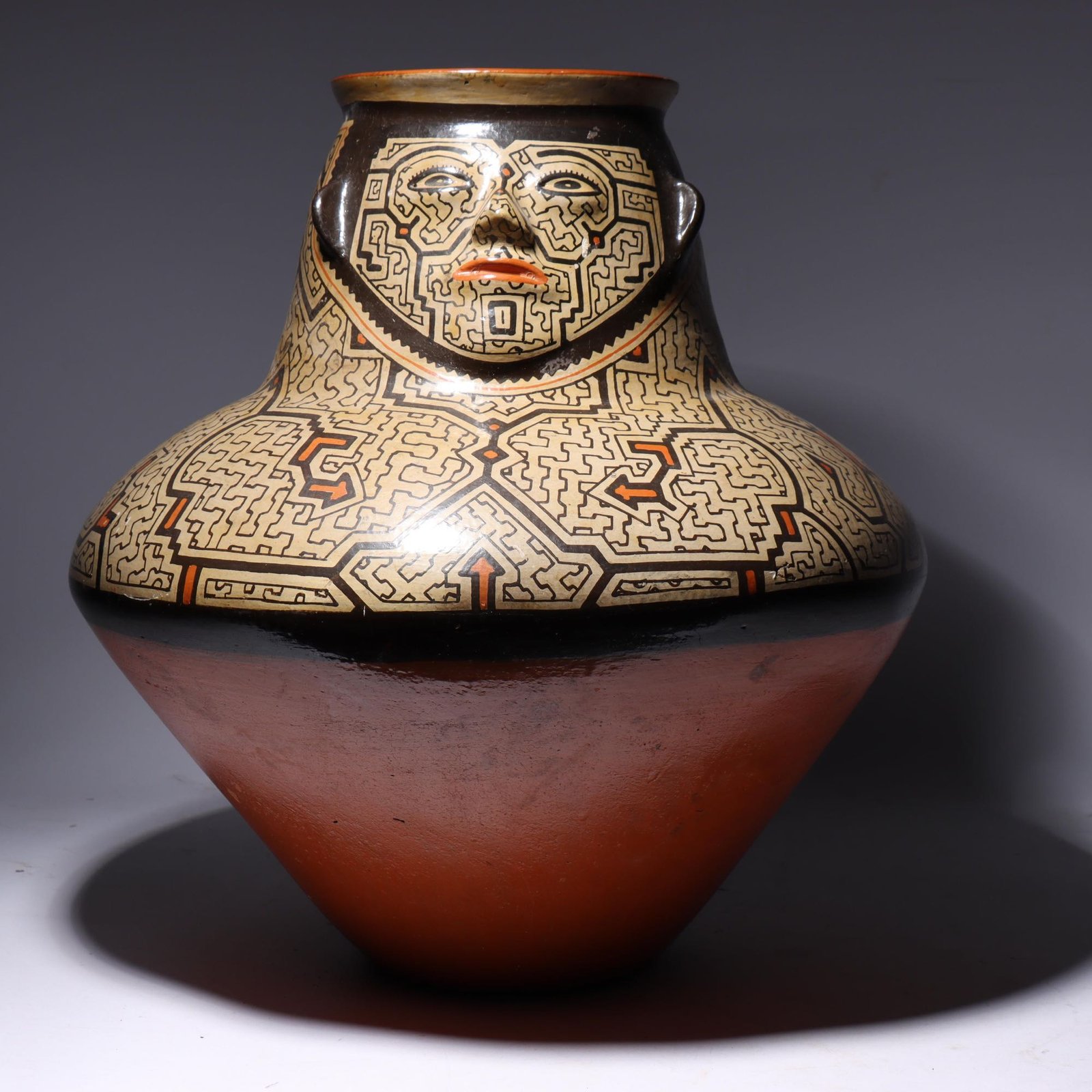
Shipibo-Conibo, 20th century
Polychrome ceramic
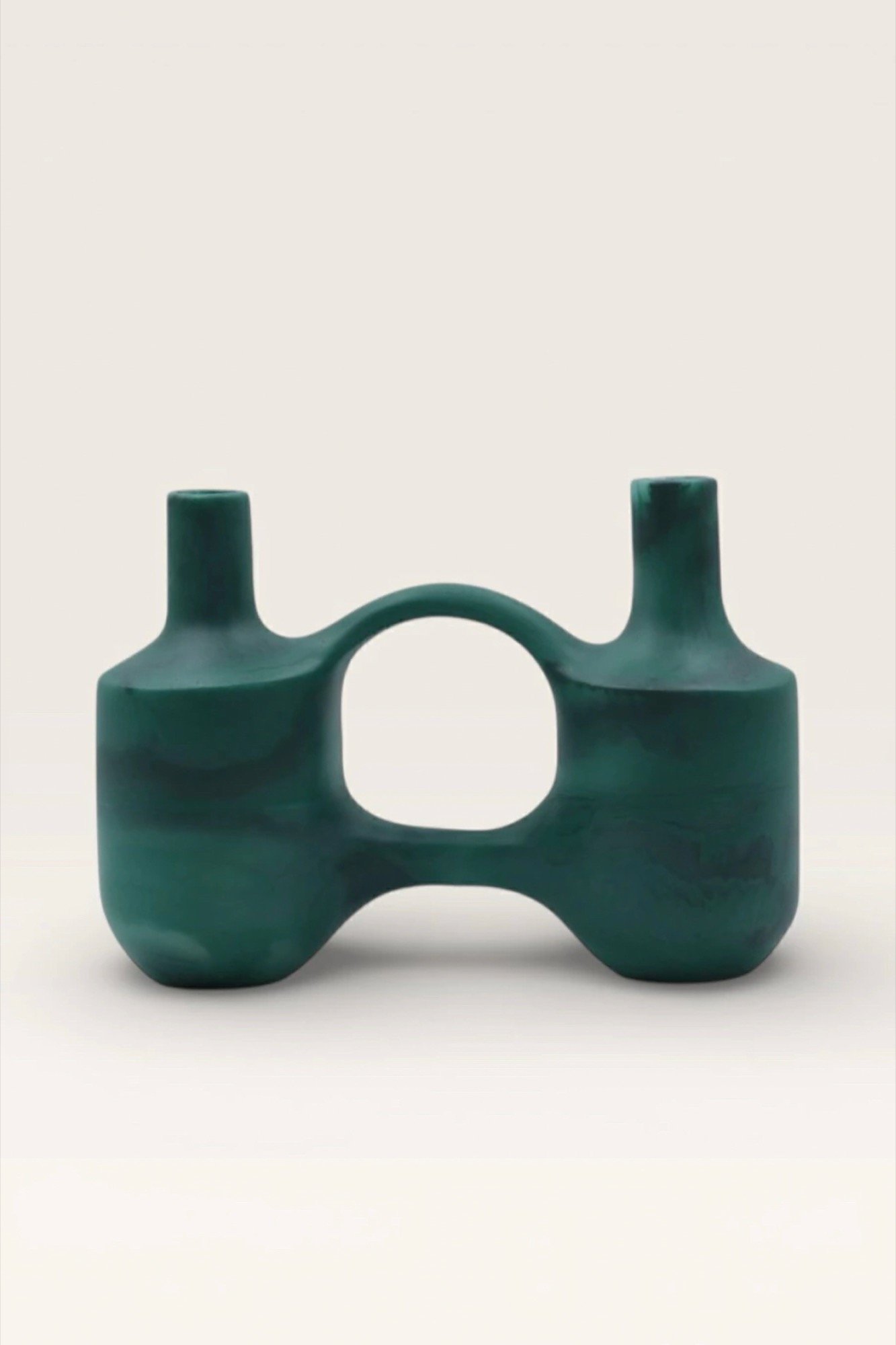
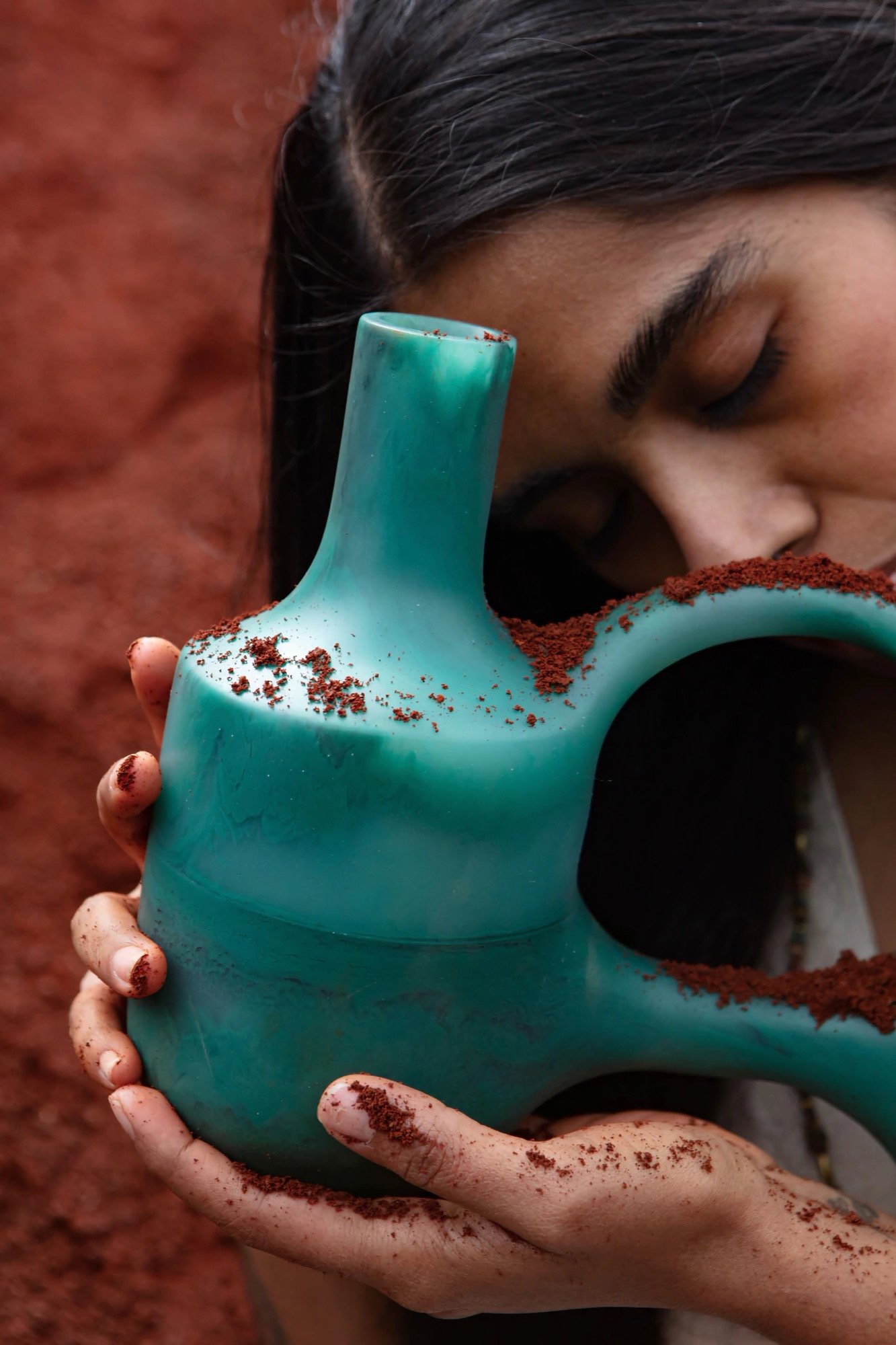
The Vicús Collection, a collaboration between Mexican design studio Barón & Vicario and Peruvian architect Domingo Seminario De Col, navigates this balance with remarkable sensitivity. The project reinterprets ancestral Vicús ceramic forms in translucent resin, translating clay’s opacity into something altogether different: vessels positioned between solidity and transparency, where light moves through material in ways the original craftspeople never imagined. Each piece references specific pre-Hispanic forms—whistling vessels, ceremonial animals, ritual objects—but abstracts them through contemporary geometry and refined surfaces.
For Seminario De Col, the project carries personal resonance. His grandfather, Domingo Seminario Urrutia, devoted his career to preserving and promoting Vicús ceramics internationally, helping establish the culture’s significance in Peru’s archaeological record. This familial connection informs the collection’s conceptual foundation, creating continuity between historical scholarship and contemporary practice. The vessels aren’t replicas or nostalgic recreations—they’re conversations across time, where ancient sculptural principles meet modern material exploration.
Manufactured in Barón & Vicario’s Mexican workshops, the collection employs resin as a vehicle for cultural translation. The chromatic range—turquoise, earth tones, charcoal, ochre—references natural pigments used in ceremonial artifacts, while the translucent quality introduces contemporary sensibility. Pieces like Huywiy (the whistler), Fanu (the dog), and Taruca (the deer) maintain the sculptural presence of their clay ancestors while existing as distinctly modern objects.
This is how tradition survives: not through preservation under glass, but through respectful reinterpretation that honors the past while speaking to the present. The Vicús Collection demonstrates that heritage and innovation aren’t opposing forces—they’re essential partners in keeping cultural memory alive.
Photos | Roxana Badillo




 No products in the cart.