


Winter functions as a visual fast—months of muted light, heavy textures, and inward focus that serve their purpose before wearing thin. Spring reverses this: light increases, nature awakens, fashion collections shift from wool to linen. Our environments should respond with equal intention, yet most spaces remain frozen in winter’s aesthetic long after the season demands change. This isn’t about spring cleaning rituals or chore lists. It’s about recognizing when your home asks for renewal—and understanding that recognition itself is the first act of transformation.
Nature offers hints when spaces need new energy. Fabrics that felt comforting in December now feel suffocating. Furniture arrangements that worked for cozy evenings suddenly create awkward traffic patterns as you spend more time moving through rooms instead of settling into them. Colors that provided warmth against gray skies now feel dull under brighter daylight. The “I’ll deal with it later” pile grows—books, mail, objects without homes—physical evidence that your space no longer supports how you actually live. These aren’t flaws to criticize yourself over. They’re invitations your environment extends when it can no longer serve your current needs.
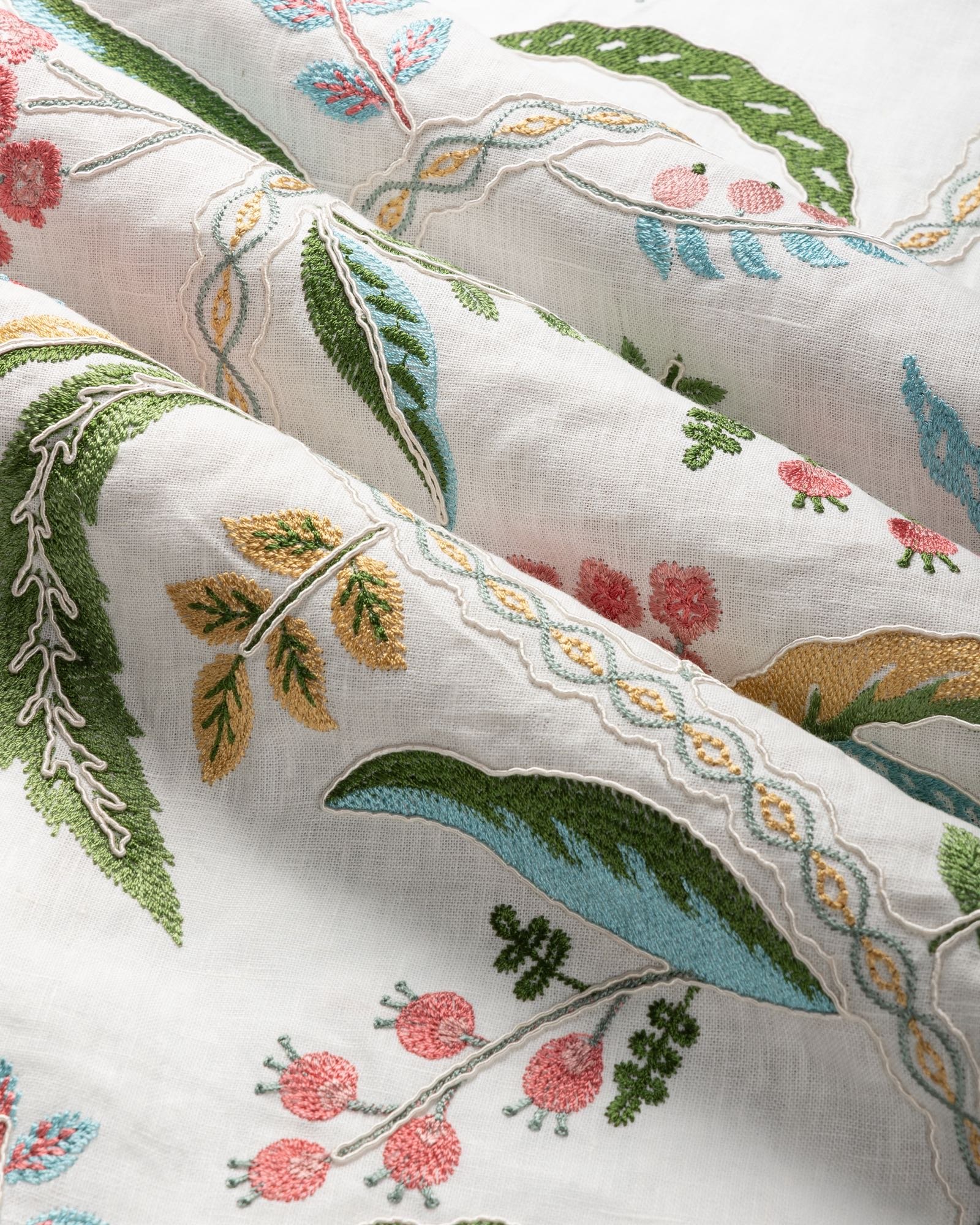
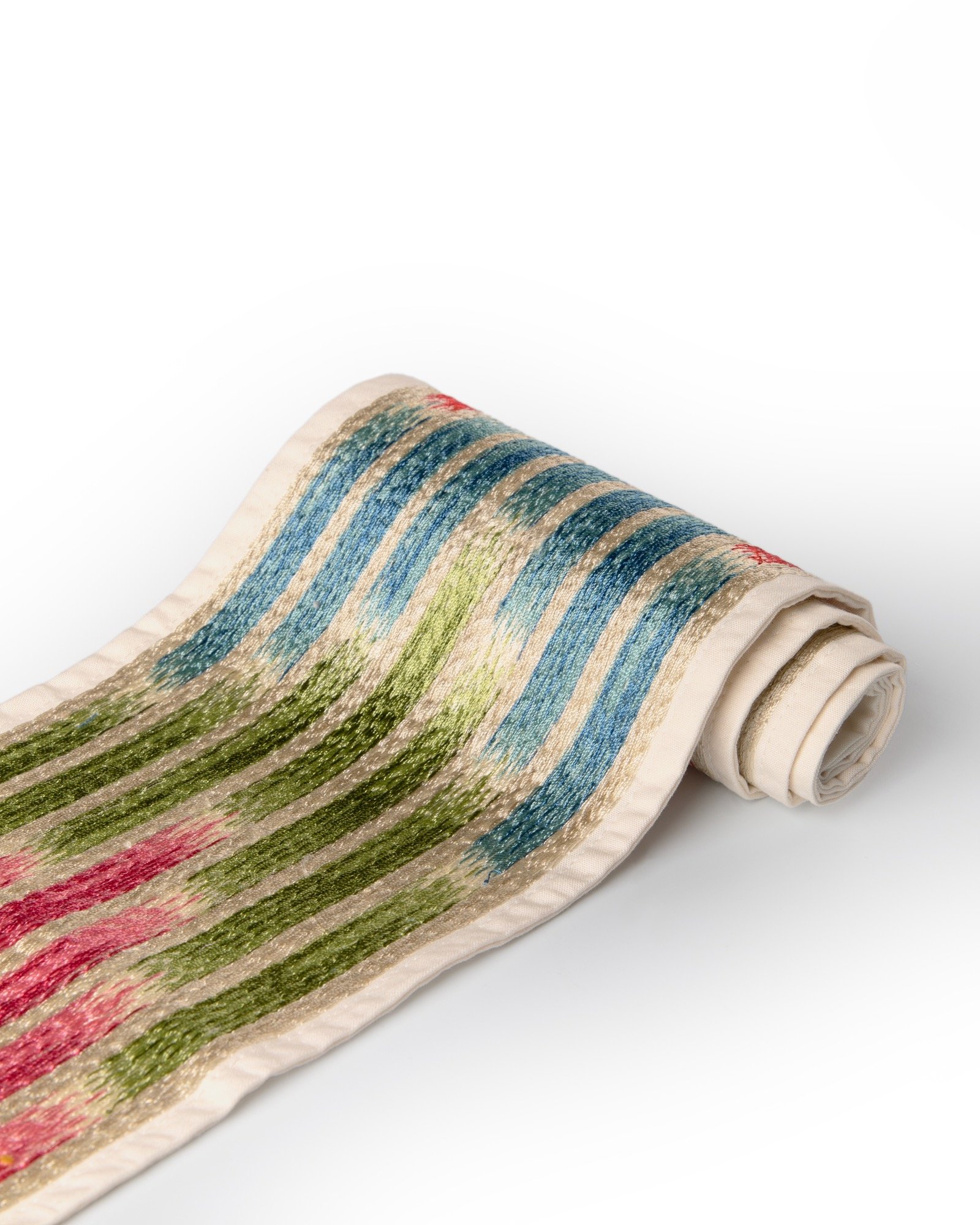
Fashion understands what interiors often forget: we need rotation to stay engaged. Collections change seasonally not just for novelty, but because our sensory relationship with materials shifts as temperature and light evolve. What felt luxurious against skin in winter feels wrong in spring. The same principle applies to spaces—introducing new elements while rotating old ones isn’t superficial decoration, it’s essential perceptual renewal. This addresses the fatigue identified earlier: tired fabrics need replacement, clumsy layouts need reconfiguration, stale color schemes need recalibration. Your home, like your wardrobe, requires periodic editing to remain aligned with how you live now, not how you lived months ago.
The practice begins with noticing rather than doing. Reassess window treatments as daylight hours extend—what filtered winter’s low angles may now block spring’s abundance. Consider how your current colors feel under changed light; tones that grounded you in darker months might now feel heavy or flat. Notice how fabrics interact with warming temperatures—thick velvet and wool that insulated beautifully may now create sensory discord. In my work, I always find that clients know something feels off before they can articulate what needs changing. Declutter as curation: remove pieces that no longer serve the room’s energy. Don’t love that chair? Move it out. You’ll instantly feel relief in that space. Strategic shifts create disproportionate impact—often, a few intentional changes accomplish more than a dozen random updates.
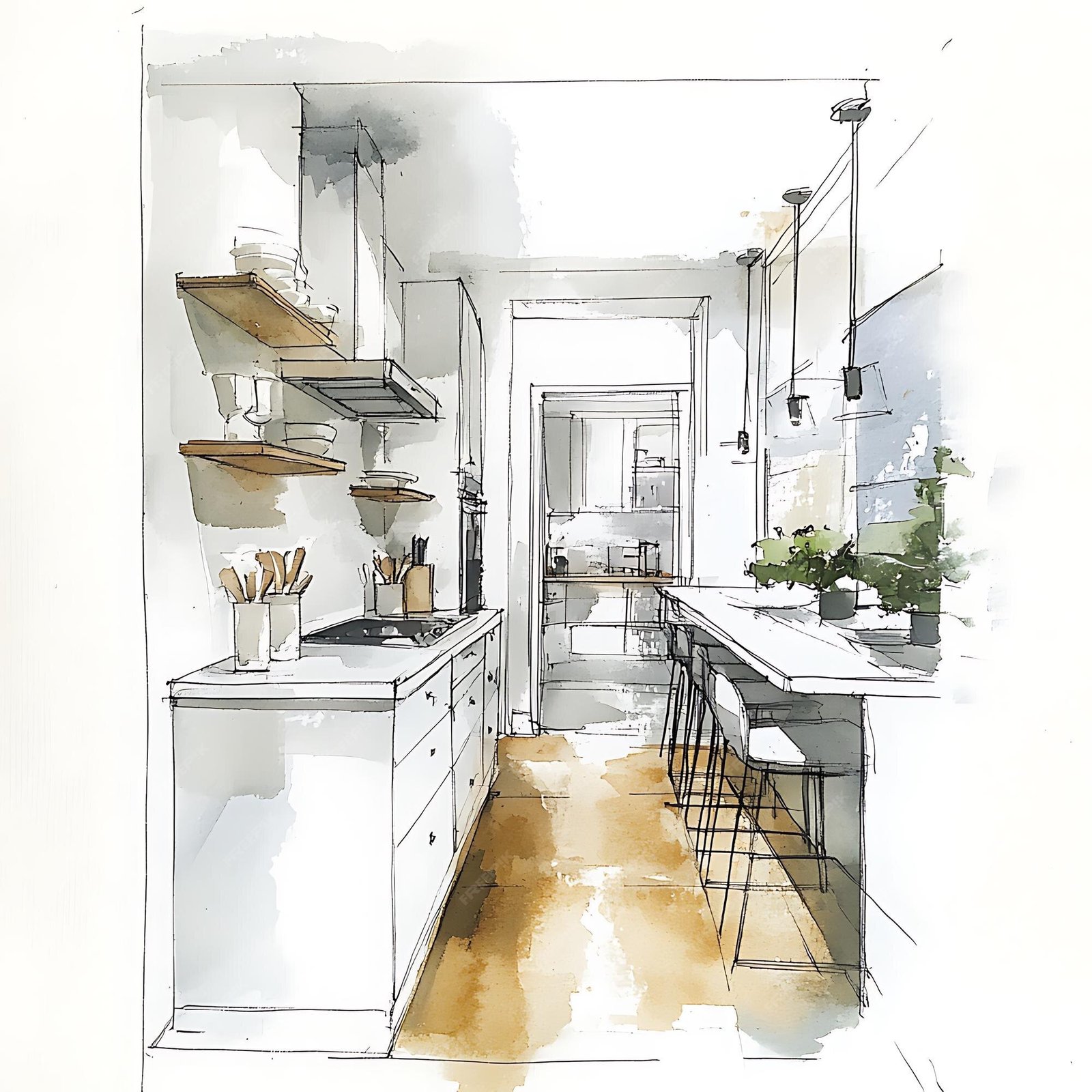

Some changes you sense but cannot name. There’s a difference between “I need new throw pillows” and “this room no longer functions for how I live.” Professional design isn’t about selecting prettier objects—it’s about translating instinct into intentional environment, creating spaces that support rather than resist how you want to feel. The best time for renewal isn’t dictated by season or calendar. It’s when you first notice the need, that subtle but persistent awareness that something no longer works. Spring simply offers permission to listen to what your space has been telling you all along.



 No products in the cart.