

Sleep remains one of the least understood necessities of life. Even as technology advances—Apple now tracks sleep metrics in their latest iPhone software—we’re still learning what happens during those hours of darkness. Ancient cultures treated sleep as sacred: the Greeks believed dreams were messages from gods, while traditional Chinese medicine viewed sleep as essential to balancing qi. Modern science confirms what intuition has always known: sleep isn’t downtime. It’s when the body repairs, consolidates memory, and resets for what’s ahead.
Fashion designer and pioneering health advocate Norma Kamali considers sleep one of the three pillars of health, equally as vital as nutrition and movement. Expert guidance remains consistent: seven to nine hours for most adults. The benefits extend beyond feeling rested—immune function strengthens, cognitive performance sharpens, emotional regulation stabilizes. Chronic sleep deprivation accelerates aging at the cellular level. During changing seasons and stressful holidays, when routines fragment and demands intensify, prioritizing sleep becomes even more critical.

Creating the right environment matters. Cool, dark rooms signal the body to produce melatonin. Reducing screen time before bed, avoiding caffeine late in the day, and keeping evening meals light all support the transition to rest. Workouts earlier in the day release energy that might otherwise disrupt rest. Setting a bedtime alarm to begin winding down trains the nervous system toward calm. Short naps before midafternoon can refresh without interfering with nighttime sleep.
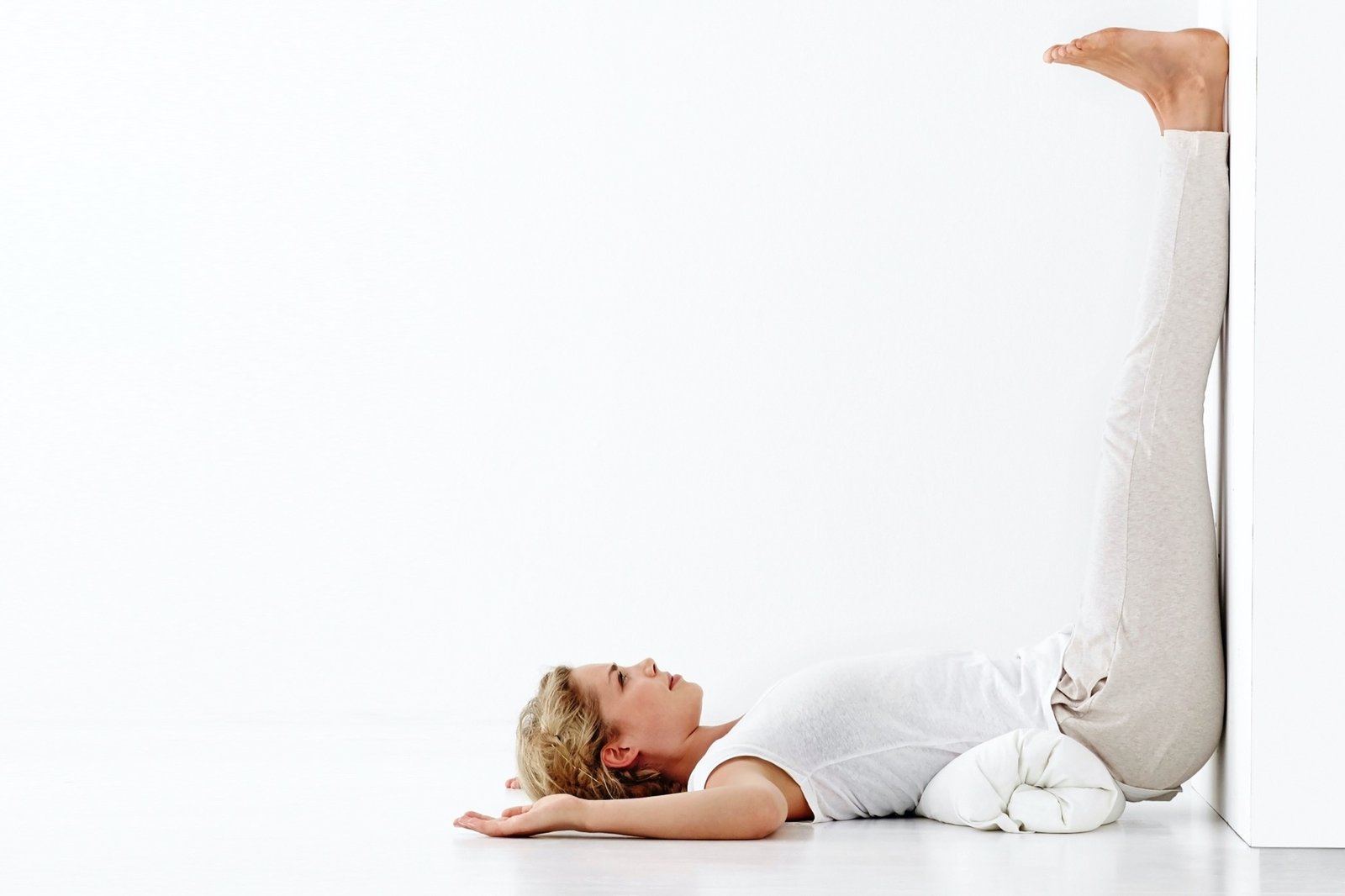
One simple practice stands out: the yoga pose viparita karani, or legs up the wall. Lying with your back flat and legs at a right angle against a wall for five to twenty minutes promotes lymphatic flow, enhances circulation, and activates the parasympathetic nervous system—the body’s “rest and digest” mode. It gently decompresses the spine, relieves lower back tension, and down-regulates stress hormones like cortisol and adrenaline. Popular among yogis and TikTok wellness fans alike, it’s simple, free, and effective. Do it in the morning to wake the lymphatic system, midday to relieve tension from sitting, or evening to calm the nervous system before sleep. Stack it with deep breathing or reading, and by the time twenty minutes pass, sleep feels inevitable.
Sleep debt accumulates silently. Each hour of lost sleep compounds, creating deficits that manifest as weakened immunity, impaired judgment, and increased stress. Recovery isn’t immediate—just as debt builds over time, so does restoration. Sufficient sleep over consecutive nights gradually realigns your natural circadian rhythm. One night of recovery sleep won’t erase weeks of deprivation.
The best prescription is prevention. Rhythm protects sleep best—keeping the same wake and bed times every day trains the body’s internal clock. Cumulative nights of consistent, ample sleep build the foundation everything else depends on. Rest isn’t indulgence. It’s infrastructure.
Photos | Min An · Anna Tarazevich




 No products in the cart.