

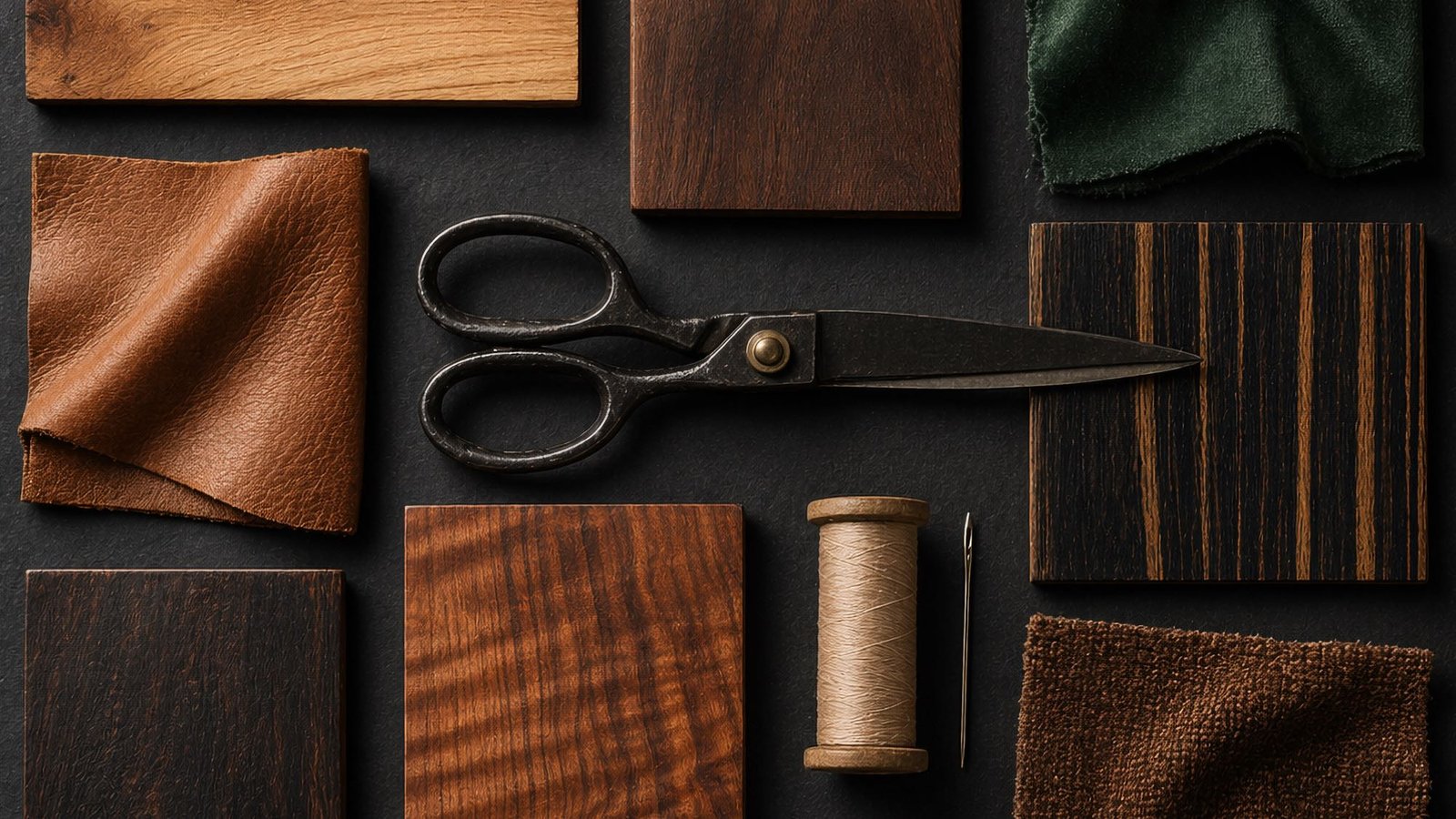
There is a moment in every design project when the right piece simply does not exist yet. Search through every showroom, visit every vendor—nothing pre-made will fit the home, the room, the life being lived inside it. The scale is wrong. The finish is a compromise. The fabrics are inadequate. That moment is not a problem. It is an invitation to craft something unique.
Custom furniture begins where manufactured options end, and the distance between those two places is measured in every detail that matters. Frames are built from kiln-dried hardwoods chosen for their stability over decades, not seasons. Seating is supported by eight-way hand-tied springs, a construction technique that distributes weight evenly and maintains its form long after lesser pieces have surrendered. These are not marketing claims—they are the structural difference between a sofa you will replace and one you will hand down to the next generation.
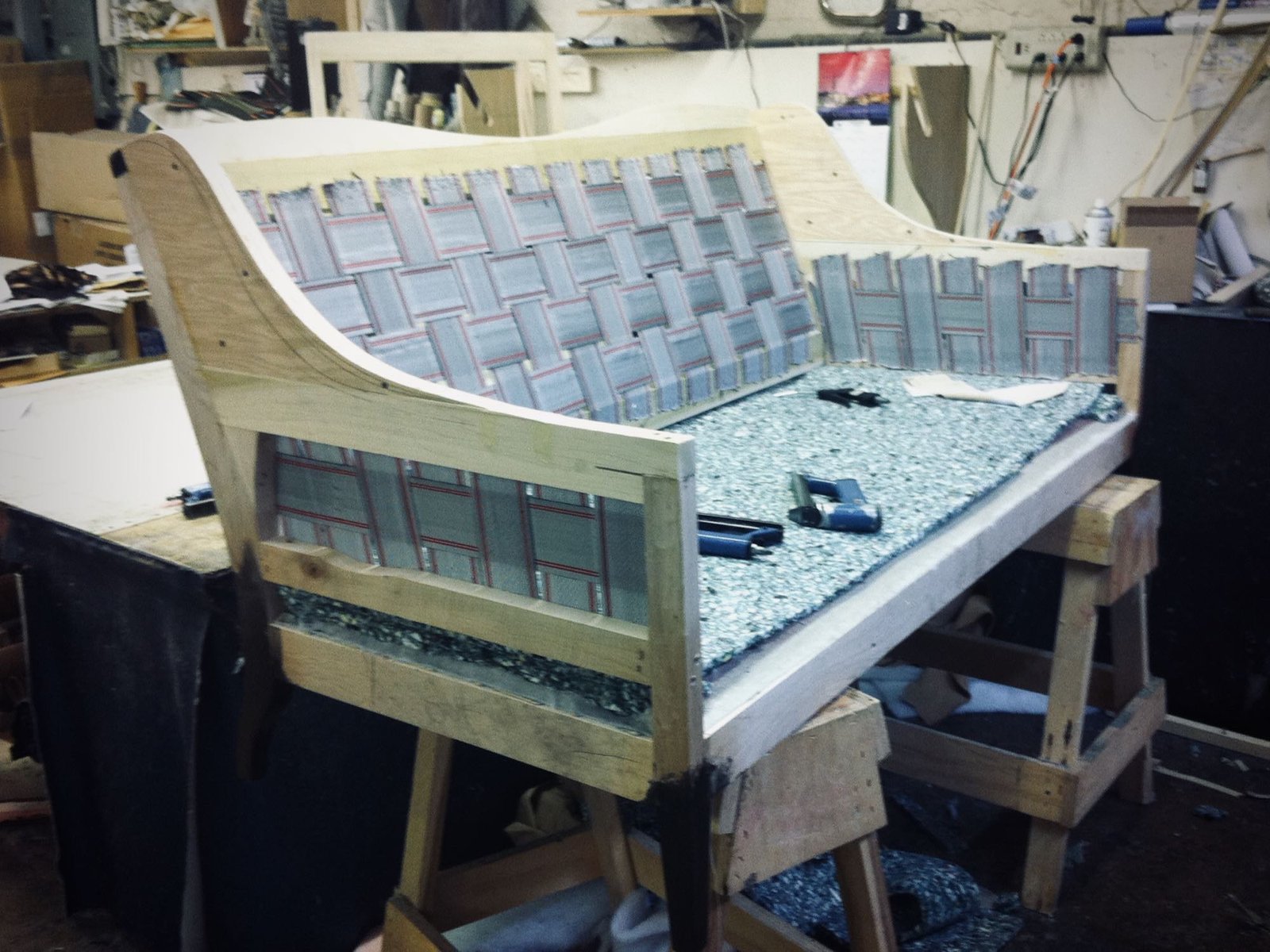
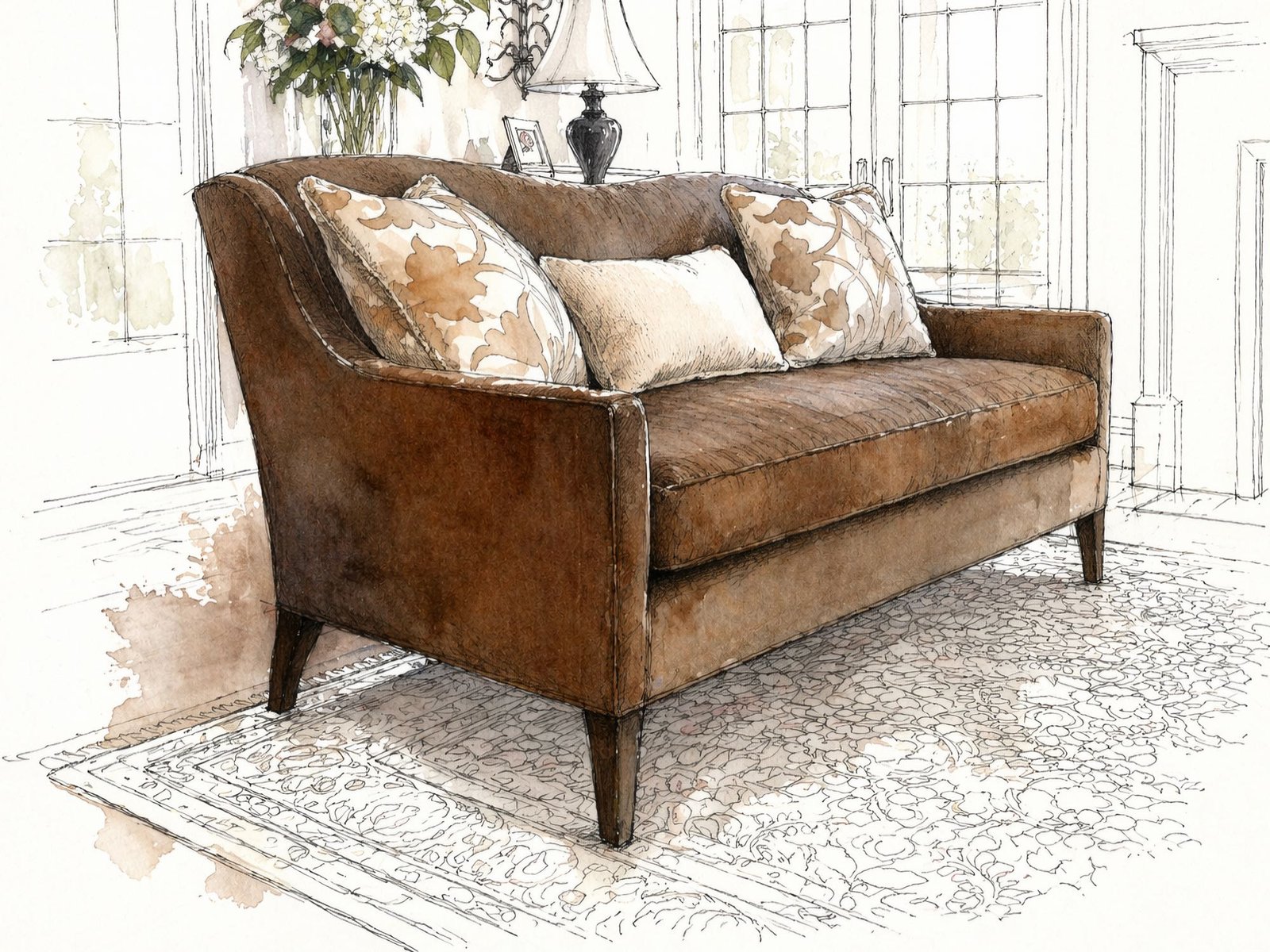
When someone sits across from me and describes the way they actually use their home, the conversation quickly moves beyond what is available and into what is possible. A narrow living room calls for slim arms and a tight back. A petite client hosting cocktail parties needs a single bench cushion that keeps the seat generous without sacrificing scale. I have visited workrooms and drawn the arc of a sofa arm directly onto the wood frame—adjusting the slope by hand until it was exactly right for that piece, that room, that client’s arm finding its perfect balance. No catalog offers that. Every detail of a custom upholstered piece—the silhouette, the pitch of the back, the depth of the seat, the fabric pulled from thousands of options rather than twelve—is calibrated to you specifically. The result is not just a sofa. It’s your dream sofa.
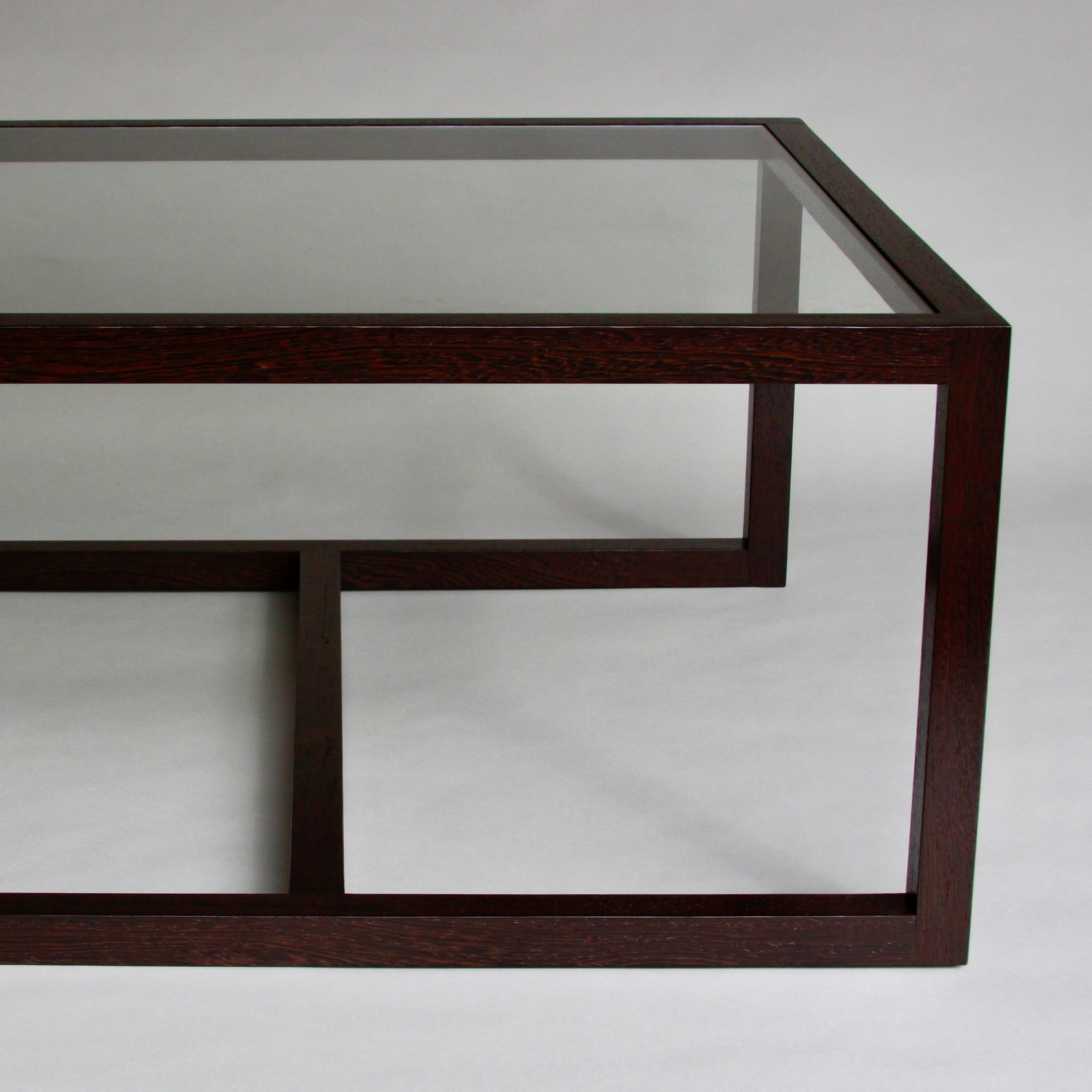
The same principle extends to casegoods and occasional tables, where custom work becomes almost architectural in its precision. A coffee table does not exist in isolation—it responds to the height of the seating around it, the material palette of the room, the scale of what hangs above it. Designing a coffee table constructed from thin beams of walnut or wenge—bench-made with traditional interlocking joinery—involves no hardware, no filler, no shortcuts. The piece reads as sculpture while functioning as furniture—it could not have come from a showroom floor. Custom tables can be finished in lacquers, patinated metals, hand-rubbed oils, and stone combinations that simply are not available off the shelf—and they can be sized to the fraction of an inch rather than rounded to the nearest standard dimension.
What custom furniture offers, above all else, is singularity. Two homes will never receive the same piece. The choices we make—frame profile, upholstery weight, finish, proportion—are a direct reflection of the space I have studied and the client I have listened to. A custom piece carries that intention in every joint and every yard of fabric. It does not look like something you bought. It looks like something that was made for you—because it was.




 No products in the cart.