

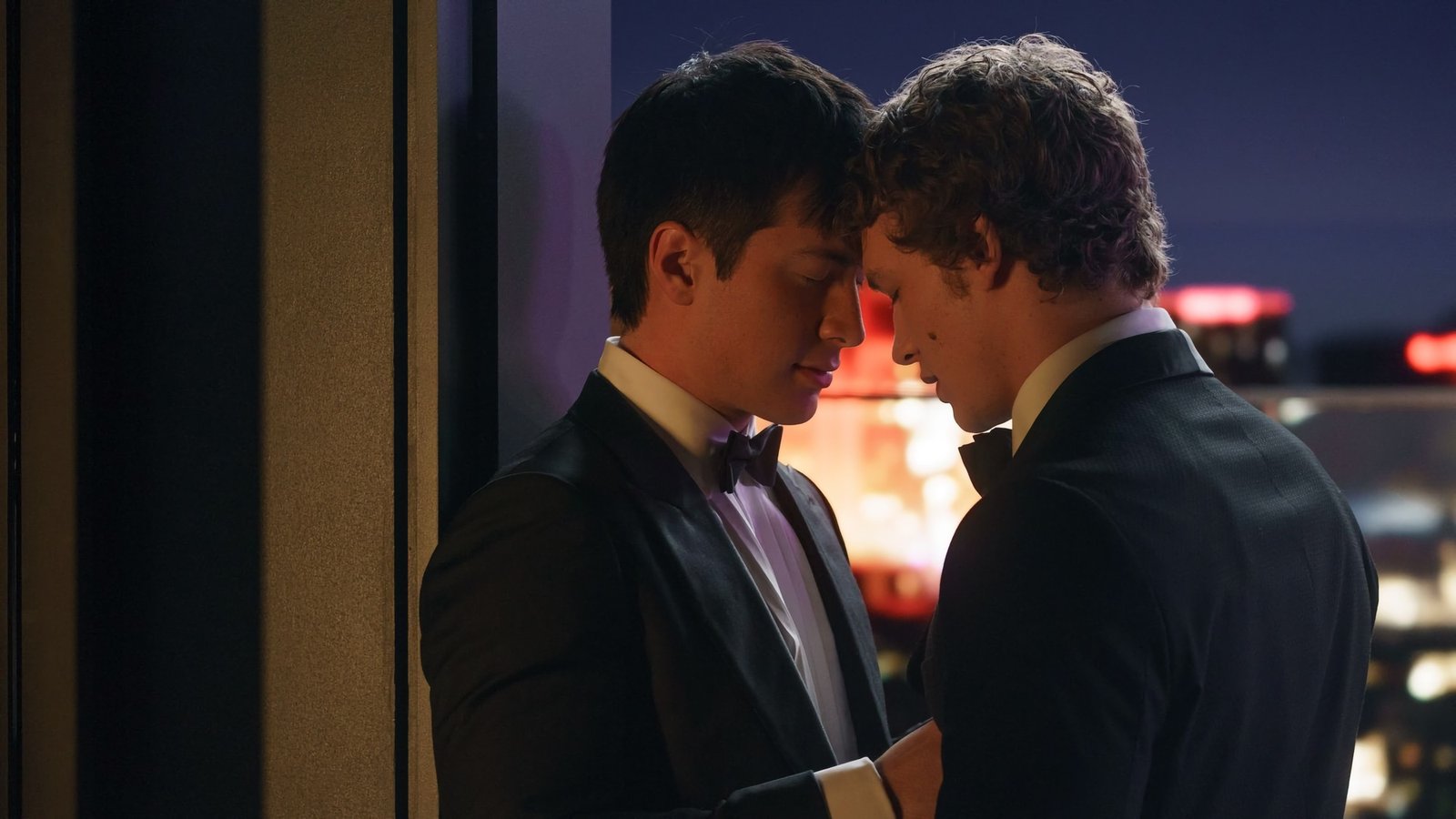
Heated Rivalry stands at the precise intersection of two current calendars—hockey playoffs and Pride Month—and feels almost engineered for this moment. Almost, but not quite: this is a series that earns its position rather than simply exploiting it. At its surface, the premise is familiar enough—rival players, international stakes, combustible chemistry. What distinguishes it is how swiftly, and how insistently, it refuses to stay on the surface at all.
I came with high expectations, which is to say I came primed to be disappointed. The first episode obliges, somewhat: the time-jump structure grows disorienting, some scenes land with more ambition than execution, and there are moments that feel, charitably, like the producers and writers were rookies as well. But something interesting happens in those first clumsy scenes—the lead performances by Connor Storrie and Hudson Williams rise above the blocking, the editing, the occasionally stiff peripheral dialogue, and land with a weight that keeps you watching. By Episode 2, the series finds its footing and doesn’t relinquish it.
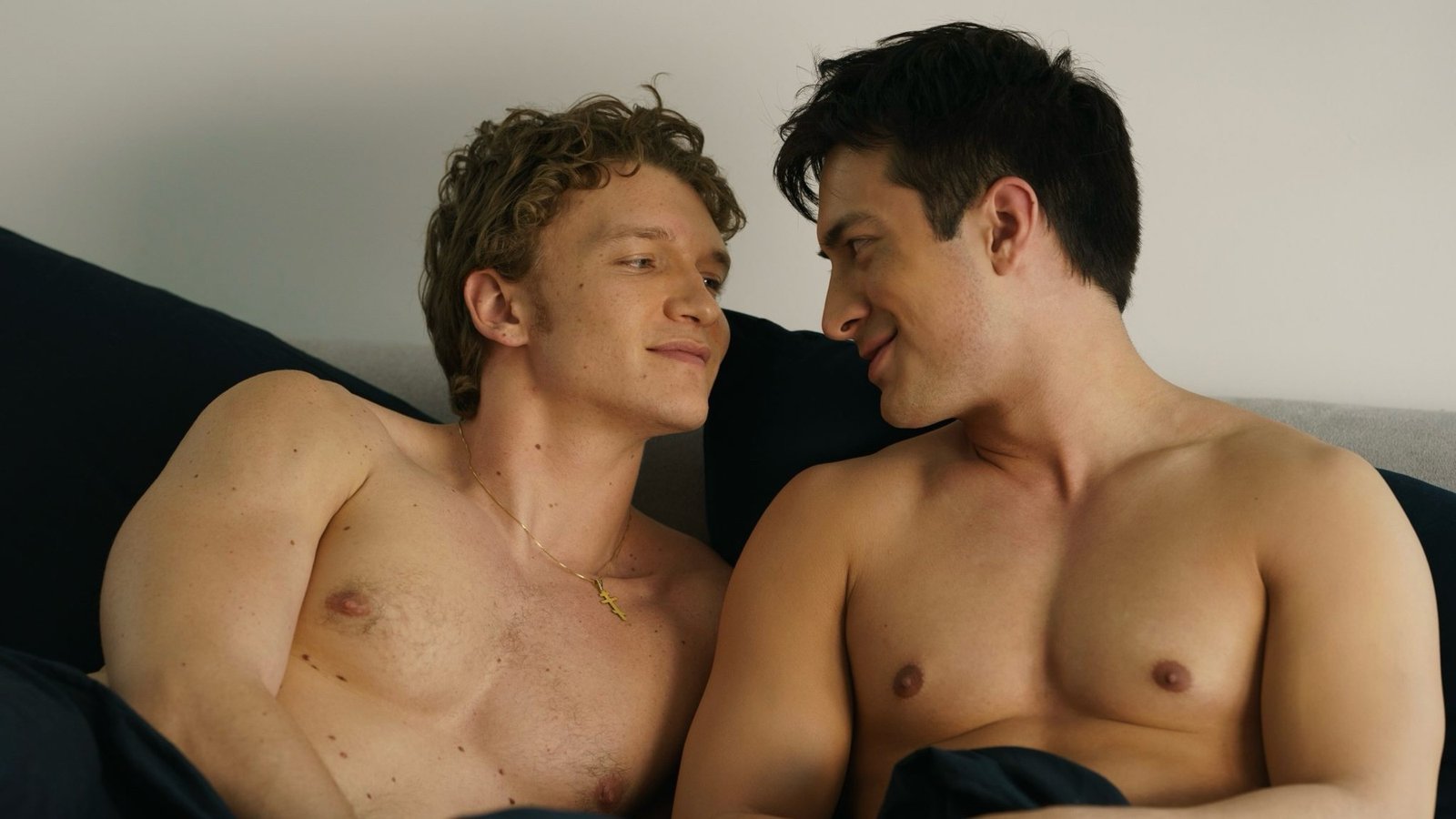
What distinguishes Heated Rivalry from the considerable volume of romantic television produced for and about gay men is that it is not, at its core, about the sex. The physical dynamic between Shane and Ilya—urgent, unapologetic, unmistakably masculine—is honest rather than provocative, and the show frames it that way. More interesting is the psychological architecture underneath: the shame, the silence, the cellphone aliases that call back quietly to an era when men had to refer to their boyfriends by women’s names simply to guard their safety in a hostile world.
Ilya continues smoking despite Shane lecturing him about it. “You’re an asshole” becomes a gruff term of endearment. Ilya repeatedly tells Shane he’s pretty—not to diminish him, but because he means it, and because men in love say things like that when no one’s making them perform otherwise. When Shane responds to “I love you” with “Holy shit”—that’s not evasion; it’s accuracy. Eventually they warm to their own dynamic—Shane enjoying being bossed around and Ilya getting off—quite literally—on telling him what to do. These are the details that get ignored by critics who insist that male intimacy operates differently from “real” relationships. It doesn’t. It just hasn’t been shown this way very often.
The series is also, genuinely, a showcase in production design—and I confess I watched portions of it twice with a designer’s eye and still feel I missed things. The lighting throughout is exceptional. The beds alone deserve an essay. When Ilya pulls a chair across the penthouse marble floor—cool and deliberate—sits, then instructs Shane to perform on the bed, the tufted headboard is anchored against a wall of the same black marble. Faceted lamps and travertine piers frame the exchange in a kind of charged chiaroscuro where it’s unclear who is subject and who is king.
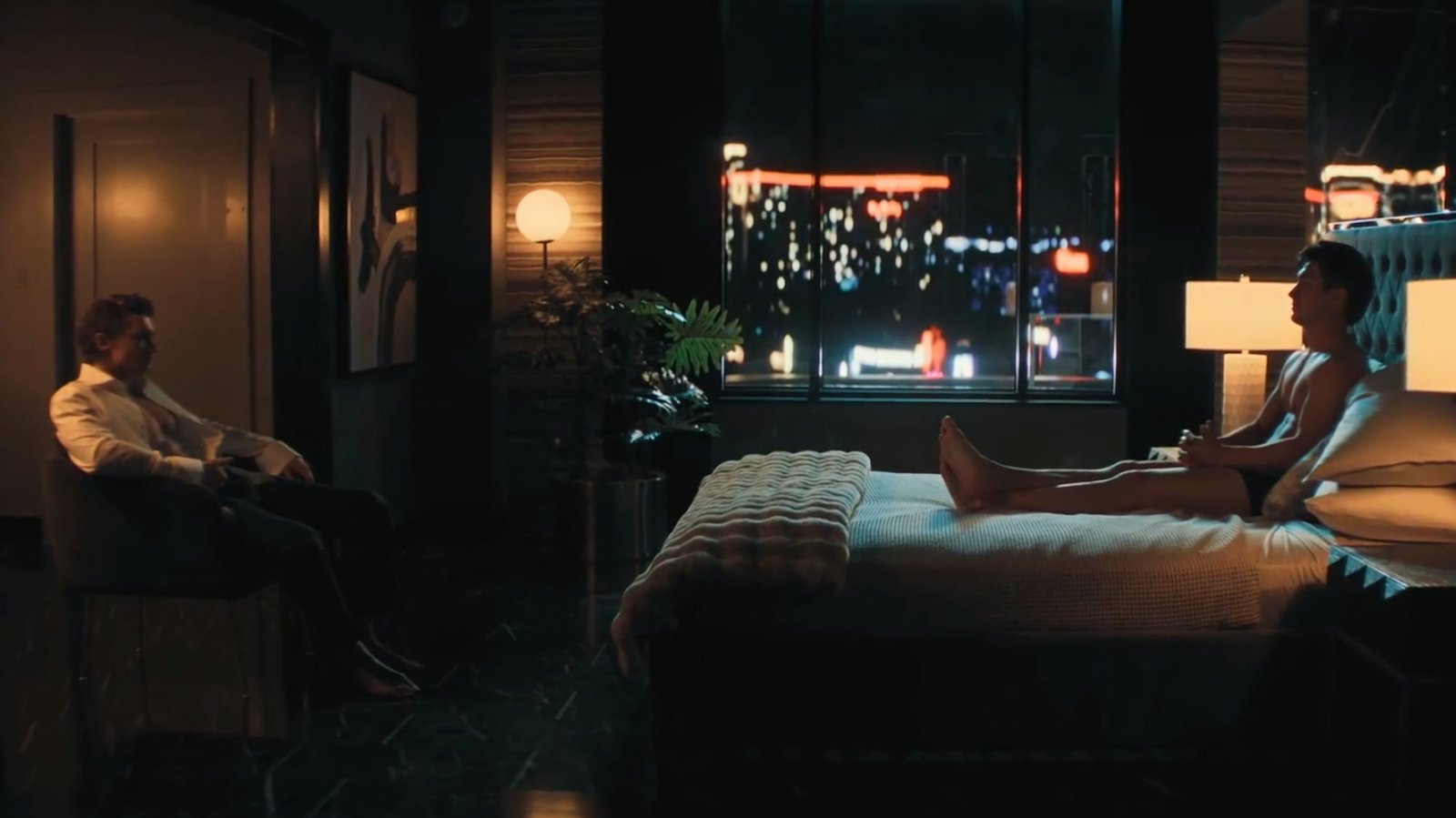
Glass is everywhere: floor-to-ceiling expanses in every apartment, every hotel suite, even Scott Hunter’s more measured but still quietly luxurious space. The irony is exquisite in a story teetering between exposure and concealment—from Shane’s early “Not here” to his anxiety over being seen on the balcony in their tuxes, to Ilya, characteristically, refusing to let him lower the shades in the cottage bedroom. Even in relative intimacy, Ilya insists on being seen. Meanwhile, old-world Russia frames its windows in yards of fabric and tassel fringe—tradition drawing its curtains against exactly the kind of openness the modern scenes breathe in. The shared drink, too, is handled with an elegance that sidesteps any note about consumption: vodka, smoothies, ginger ale pivoting to beer—and the glassware, modern and considered throughout, treated as objects worth noticing.
The Kip and Scott Hunter storyline, which initially reads as a detour, earns its place. A man hiding his relationship feels almost quaint against the weight of what Shane and Ilya are carrying—not just the external exposure risk, but the interior struggle of weighing everything against each other, again and again, across thousands of miles and an increasingly impossible set of circumstances. The cottage sequence, where they try quietly to imagine what a future might look like, is the series at its most honest: not a fantasy, but two people doing the arithmetic of love in conditions that don’t favor the math. And critically—crucially—the series does not punish them for trying. The gay man gets the guy. Nobody dies. No one is beaten or condemned or written off by a terminal diagnosis in the final reel.
That this is a radical narrative in 2026 says something unfortunate about the genre’s inherited history, but Heated Rivalry doesn’t just skip the tragic ending—it renders it irrelevant. These two men simply, finally, choose each other.
Everyone deserves to be seen, to be heard, to be valued for their unique presence—that’s what Pride is all about, after all. We’re lucky when we witness such appreciation and even luckier when we hear it spoken from the lips of our beloved.
You’re such an asshole. ♥
Photos | Sabrina Lantos · HBO Max




 No products in the cart.