

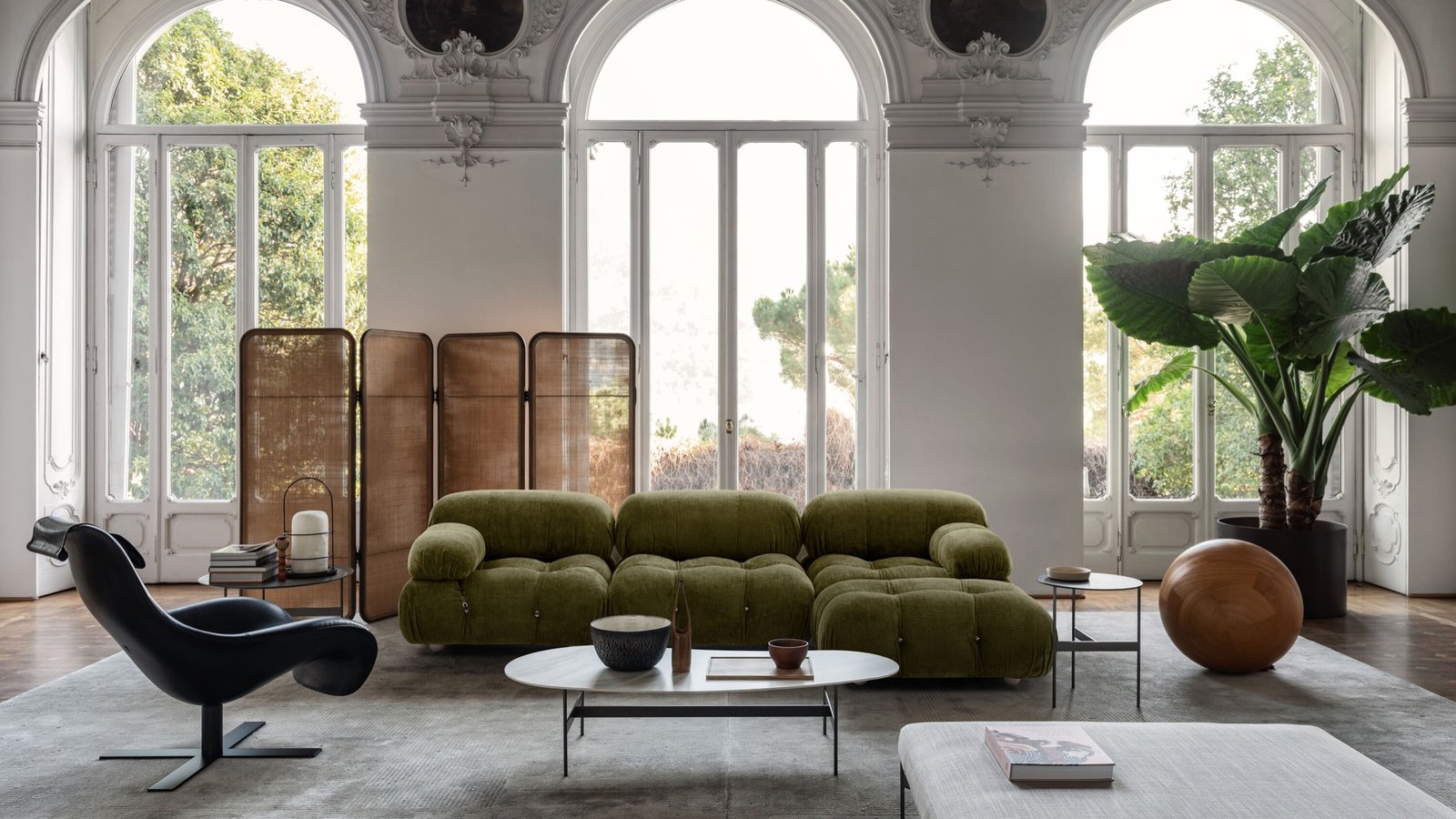
Every few seasons, the design world rediscovers what designers have always known: the best objects were never of their moment. They simply are. The conversation around “retro” interiors tends to surface cyclically—a trend piece here, a revival there—but what it consistently misnames is something more elemental. The pieces that endure aren’t throwbacks. They are benchmarks. And right now, they are more relevant than ever.
Consider the Atollo Table Lamp, designed by Vico Magistretti for Oluce in 1977. A cylinder, a hemisphere, a cone—three geometric forms resolved into a single luminous object so complete it won the Compasso d’Oro and entered MoMA’s permanent collection. Nearly fifty years later, it sits as naturally on a raw concrete surface as it does beside a stack of art books. The Arco Floor Lamp by Achille Castiglioni for Flos, with its anchoring marble base and sweeping arc of steel, occupies the room the way great architecture does—not as ornament, but as logic made beautiful. Neither lamp is “retro.” Both are simply right.
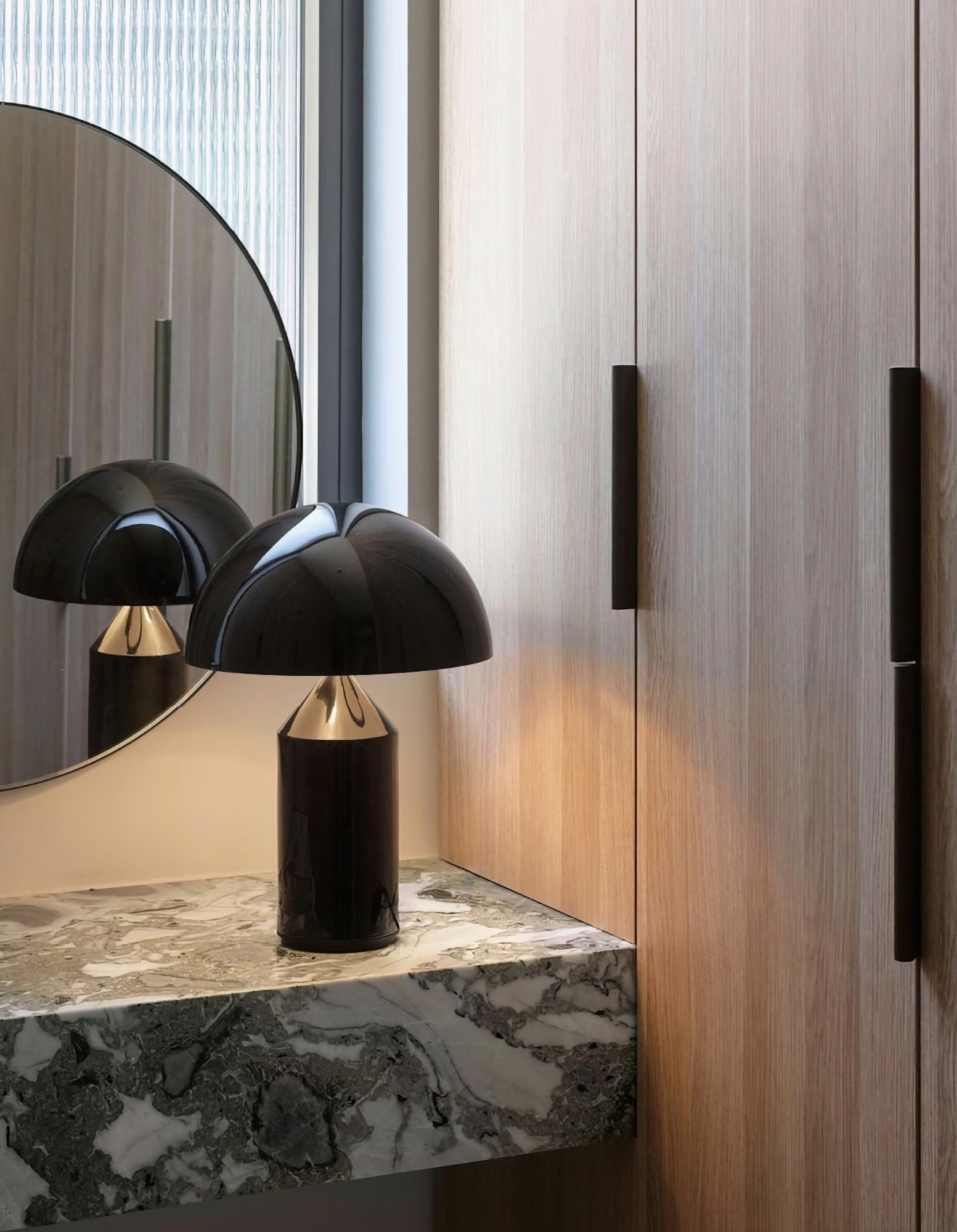
Vico Magistretti for Oluce, 1977
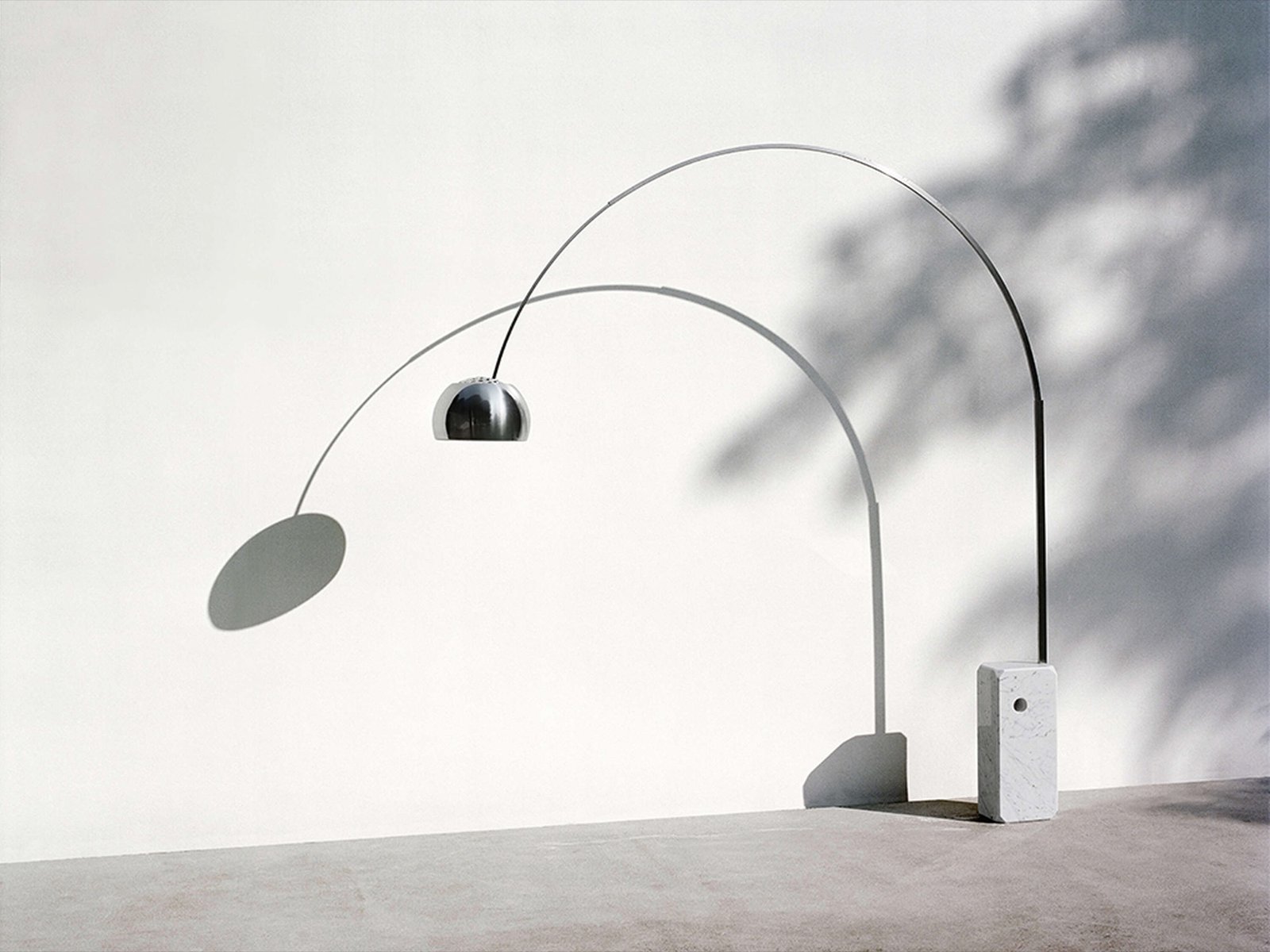
Achille & Pier Giacomo Castiglioni for Flos, 1962
Eero Saarinen’s Womb Chair for Knoll, introduced in 1948, was designed to answer a need that hasn’t changed: the desire to truly settle in. Its generous, enveloping shell—now available in a range of updated textiles that make it read as thoroughly contemporary—remains one of the most psychologically intelligent pieces of furniture ever made. The Camaleonda Sofa by Mario Bellini for B&B Italia, first introduced in 1970 and reissued in recent years to considerable enthusiasm, operates on a different register entirely—its modular, curved sections anticipate the organic, sculptural living we’ve been moving toward for the past decade. Sitting in it, you don’t feel like you’re in someone else’s past. You feel like you arrived early.
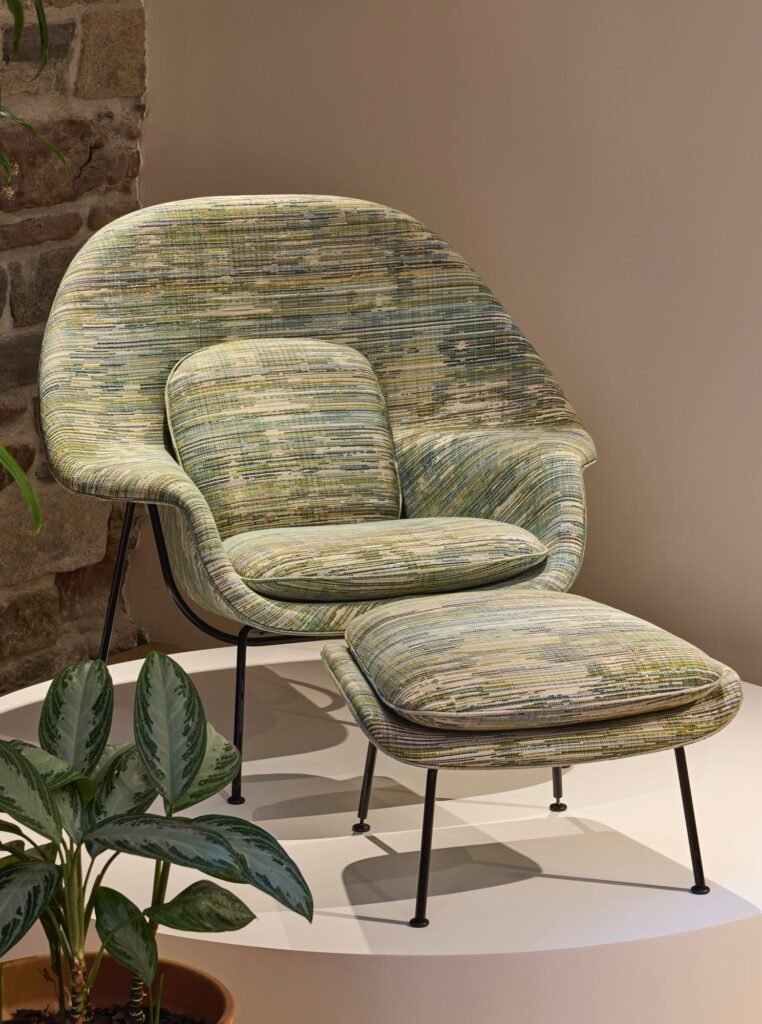
Eero Saarinen for Knoll, 1948
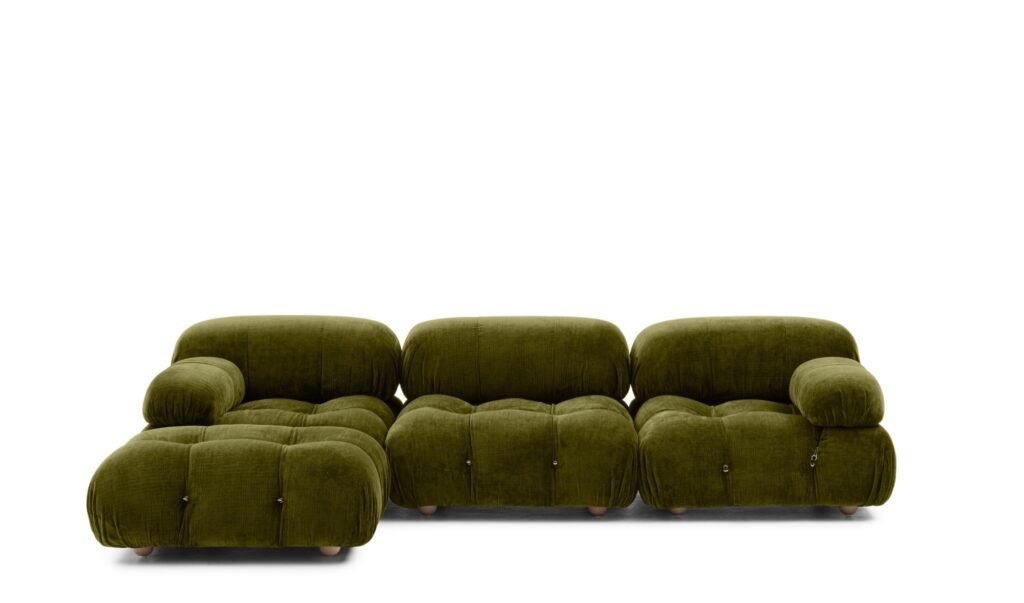
Mario Bellini for B&B Italia, 1970
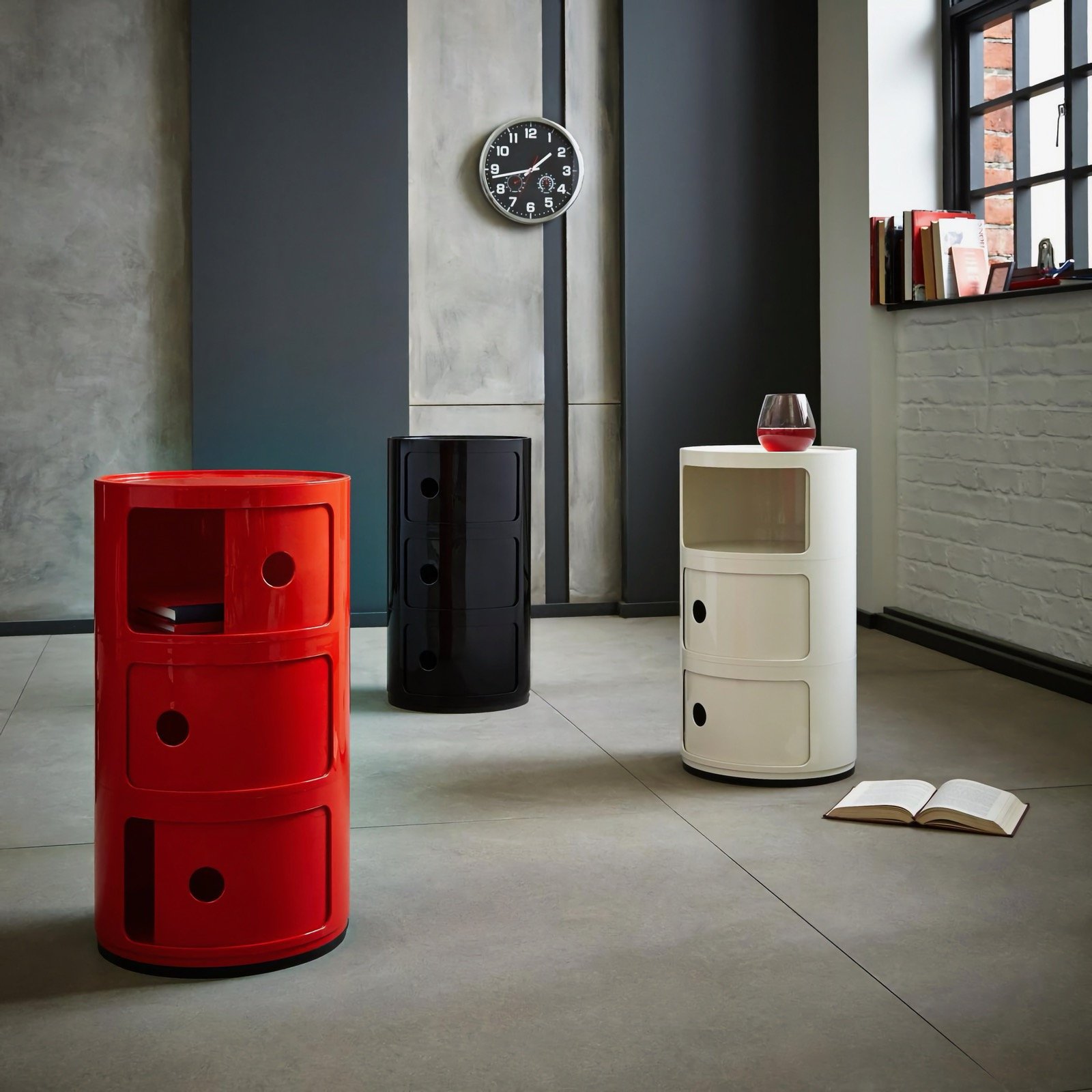
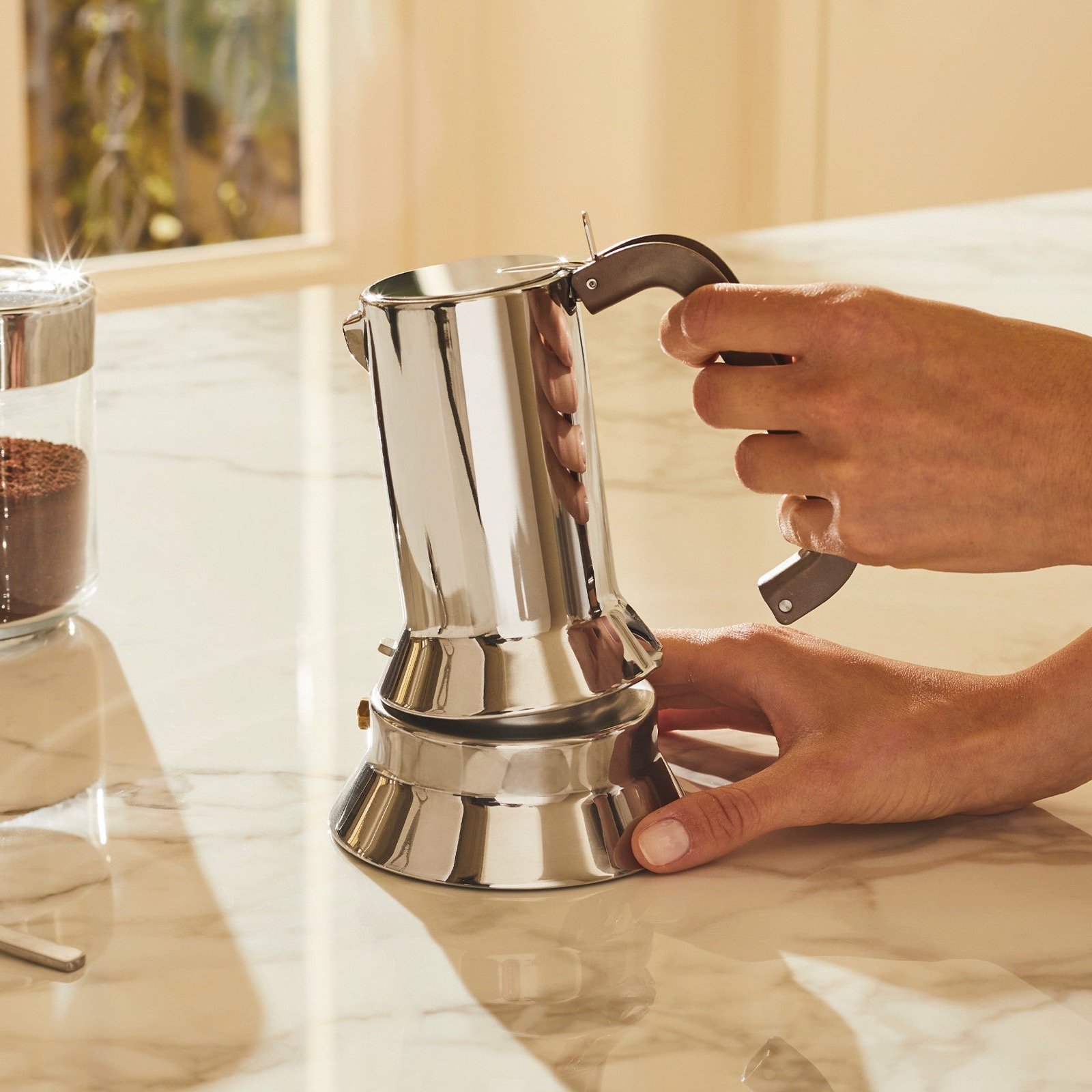
The case extends into objects. The Componibili Storage Unit, designed by Anna Castelli Ferrieri for Kartell in 1969, is one of the most copied forms in design history—and one of the least credited. These stacking cylindrical modules in high-gloss ABS have appeared in fashion editorials, art directors’ studios, and museum retrospectives, often without anyone knowing what they’re looking at. Now you do. Richard Sapper’s 9090 Espresso Maker for Alessi, the first Italian design object to enter MoMA’s permanent collection, is a coffee maker that also functions as sculpture—its stainless steel geometry as resolved and authoritative today as it was in 1978.
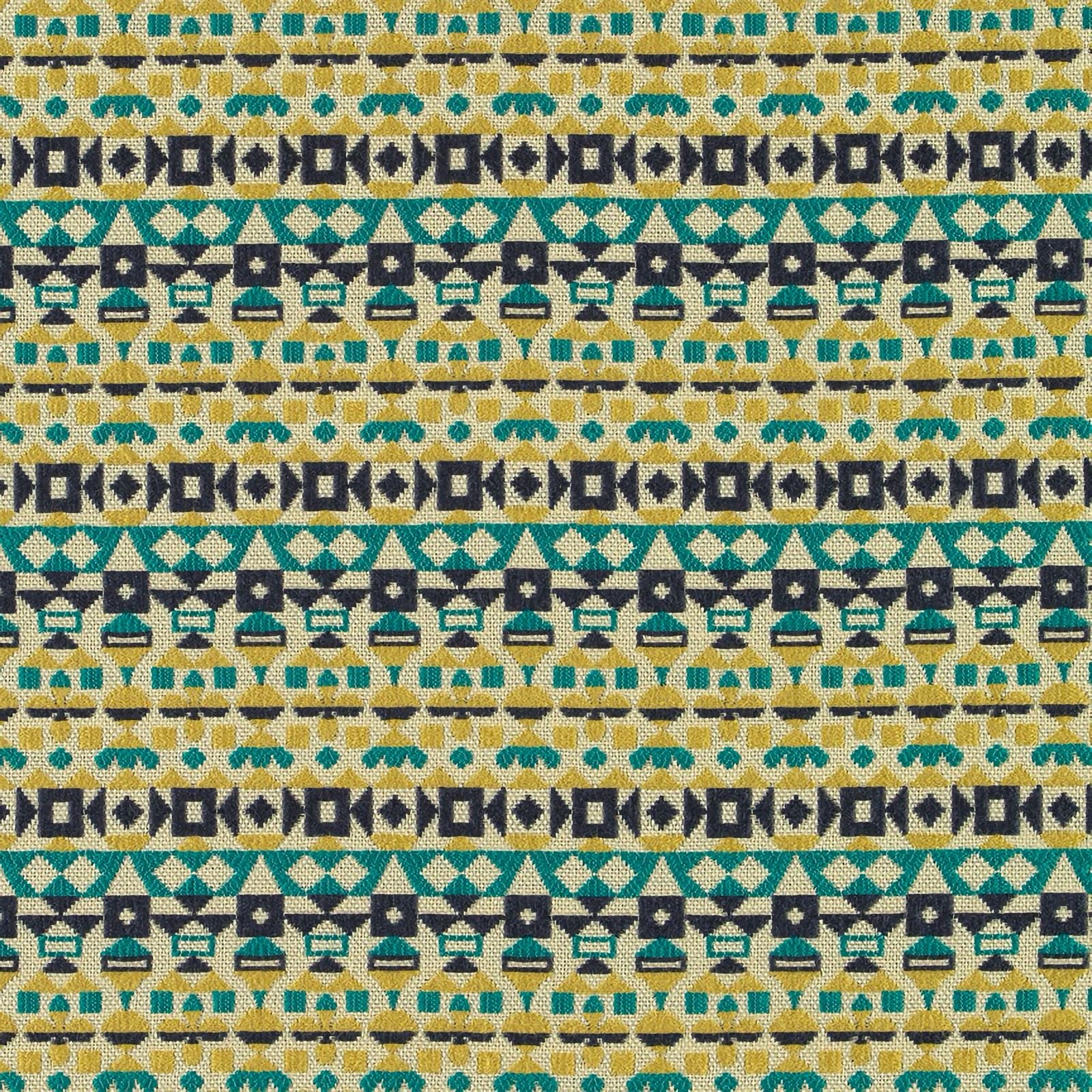
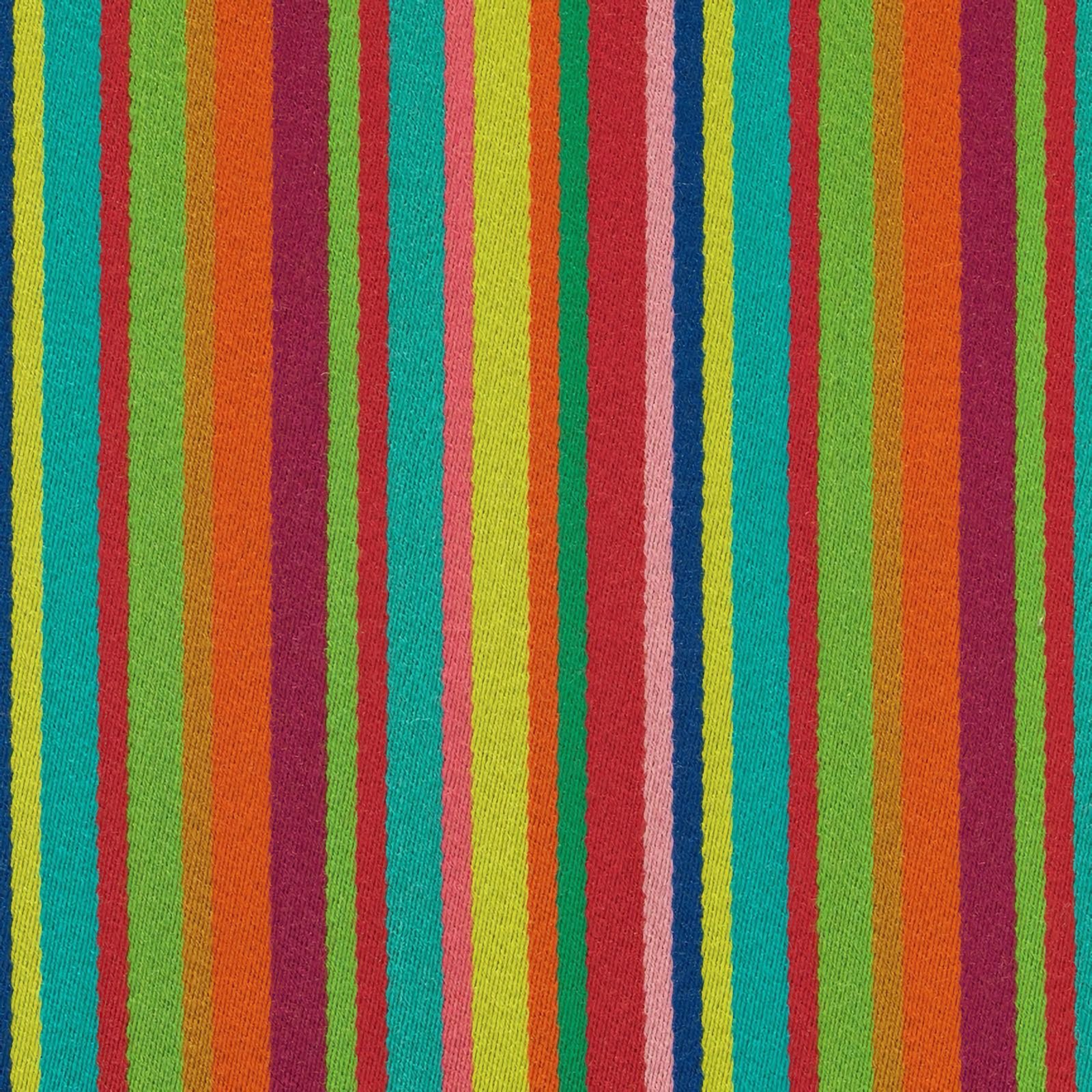
Alexander Girard’s work for Maharam—the Arabesque, Alphabet, and Millerstripe textile patterns among them—carries the full-throated optimism of mid-century color and pattern into rooms that might otherwise play it safe. Marimekko opened the door to this sensibility for an entire generation; Girard walked through it and never left.
What unites these objects isn’t nostalgia. It’s rigor. Good design isn’t a mood; it’s an argument—about how things should work, how they should feel, how they should last. None of these pieces came cheaply when they were introduced, and they don’t today. They were never meant to. The investment isn’t in an object that follows a trend; it’s in one that ignores them entirely. Great design, like great music or great cuisine, finds its audience far beyond the moment it was made for. It doesn’t belong to a decade. It belongs to whoever has the eye to recognize it.
Photo | B&B Italia


 No products in the cart.